
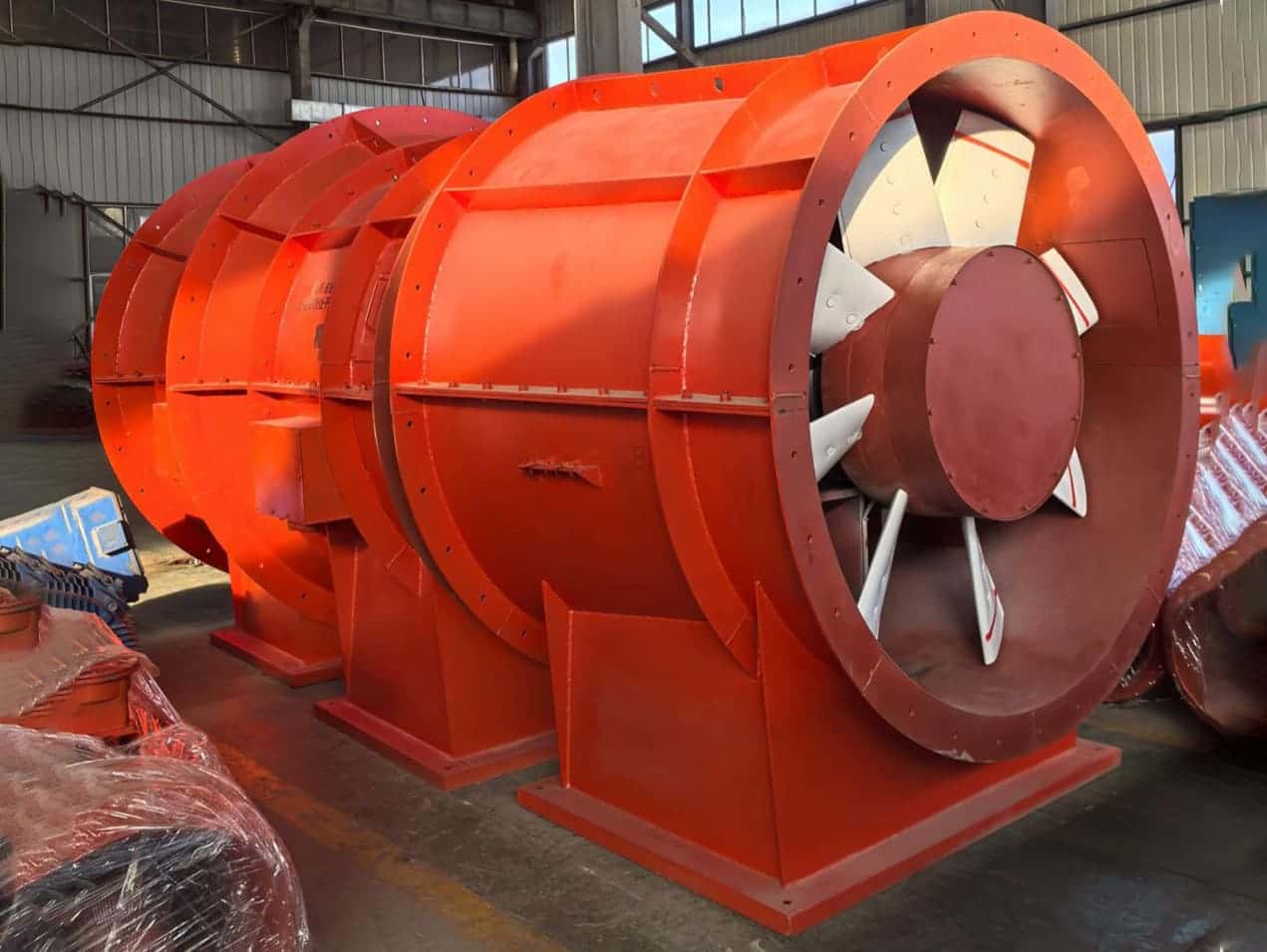
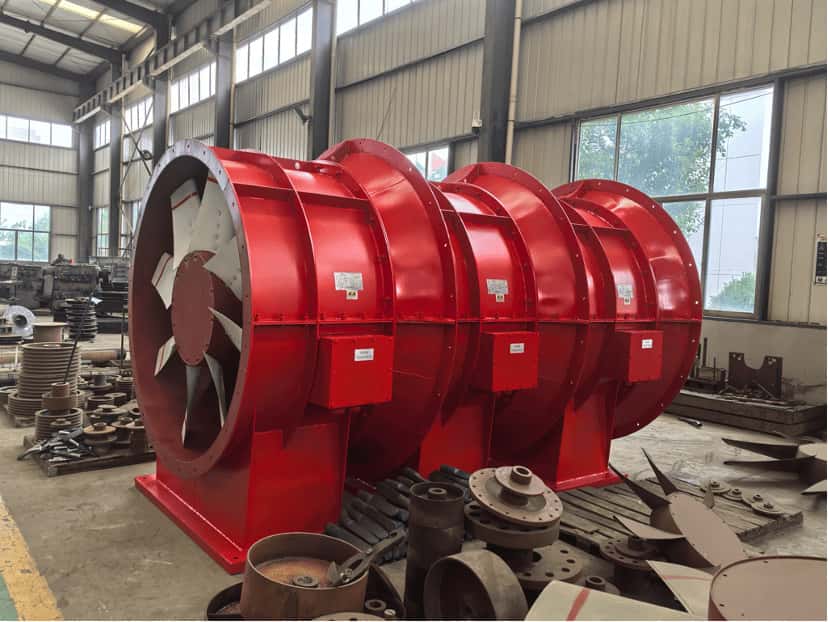
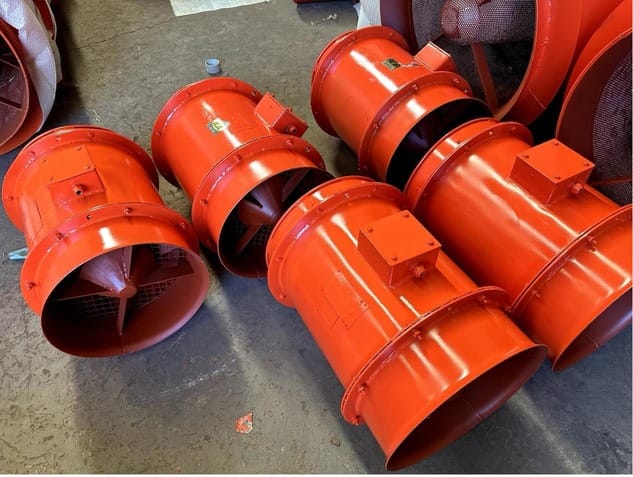
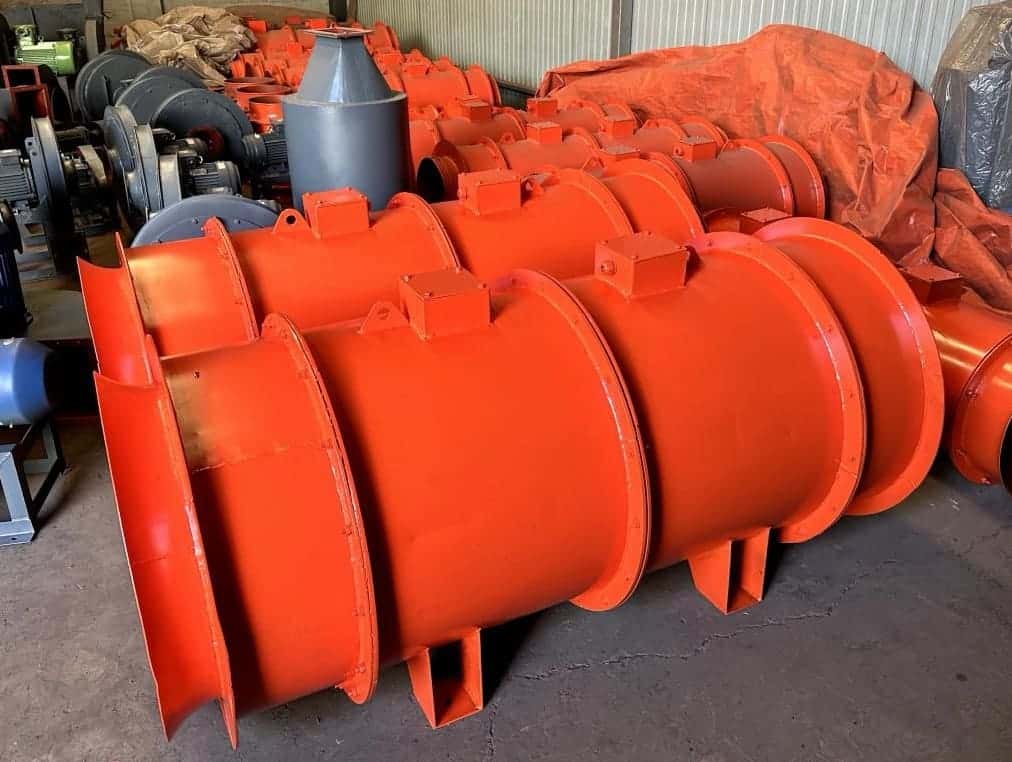
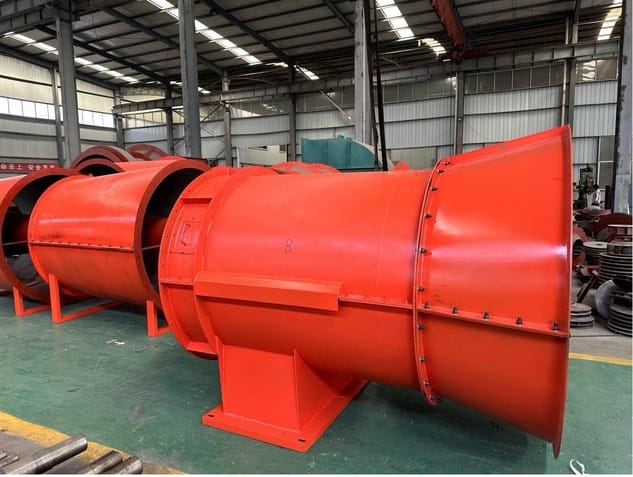
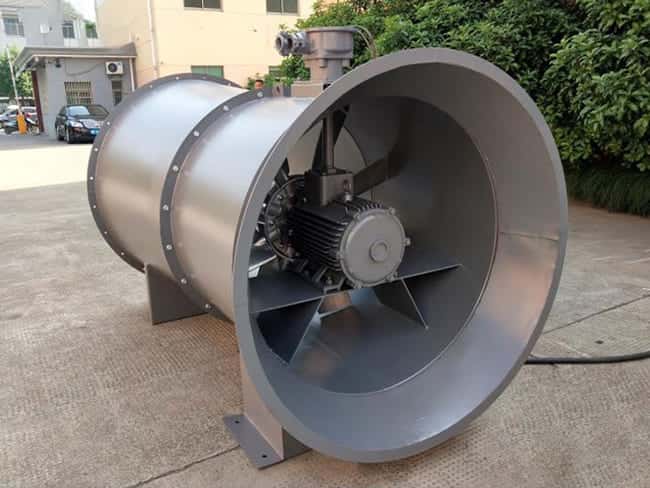
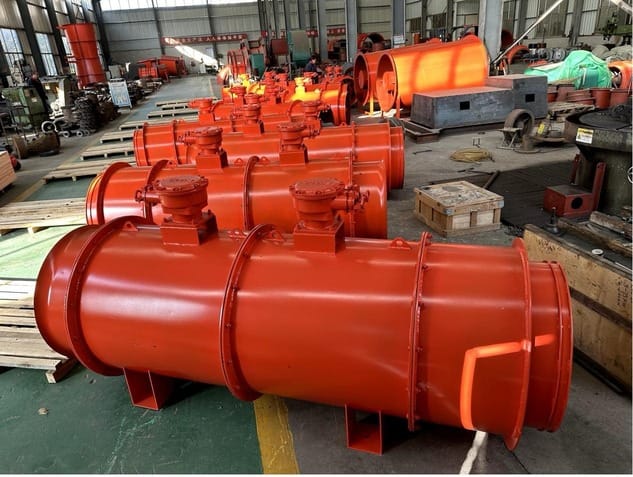
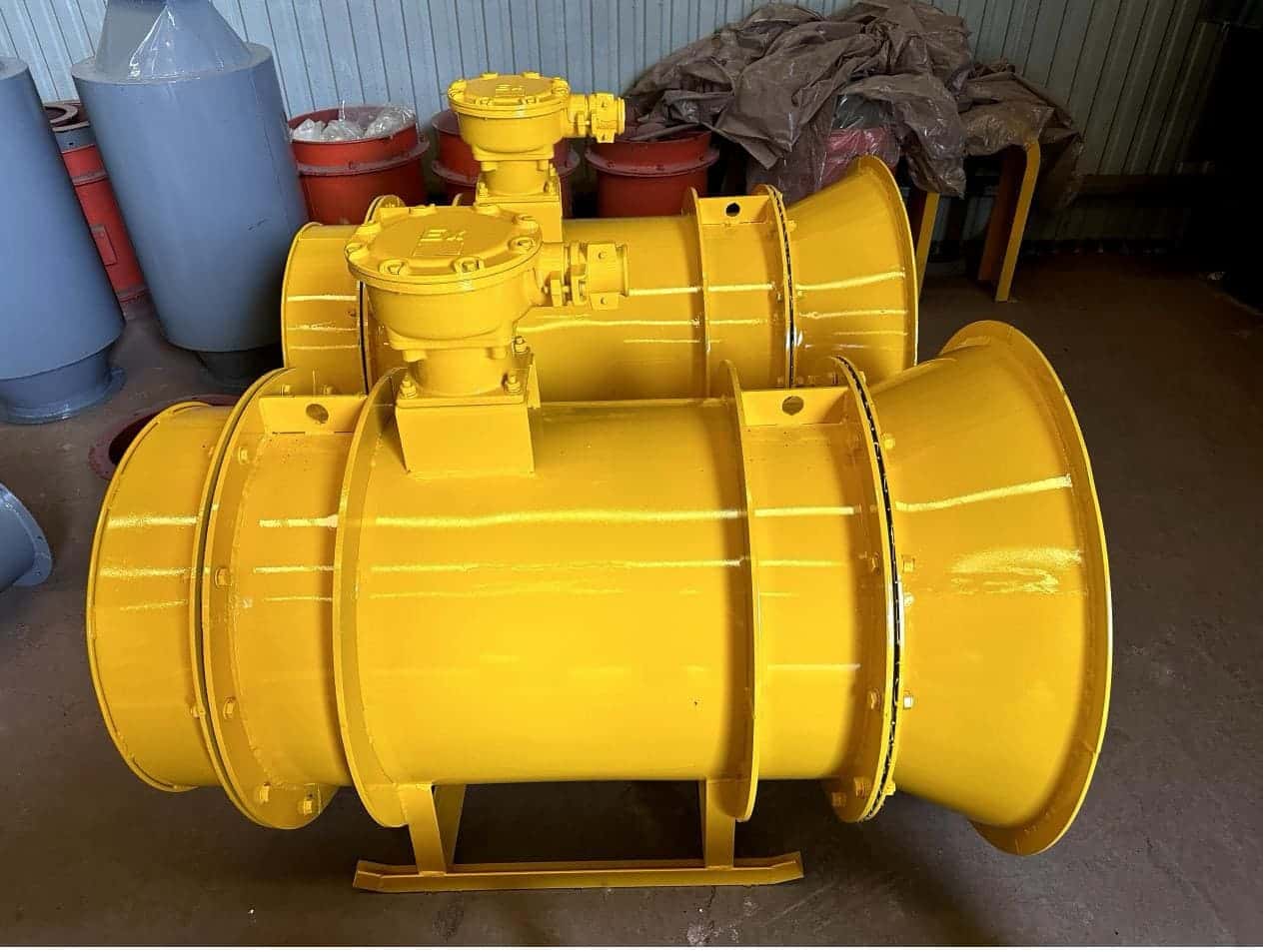
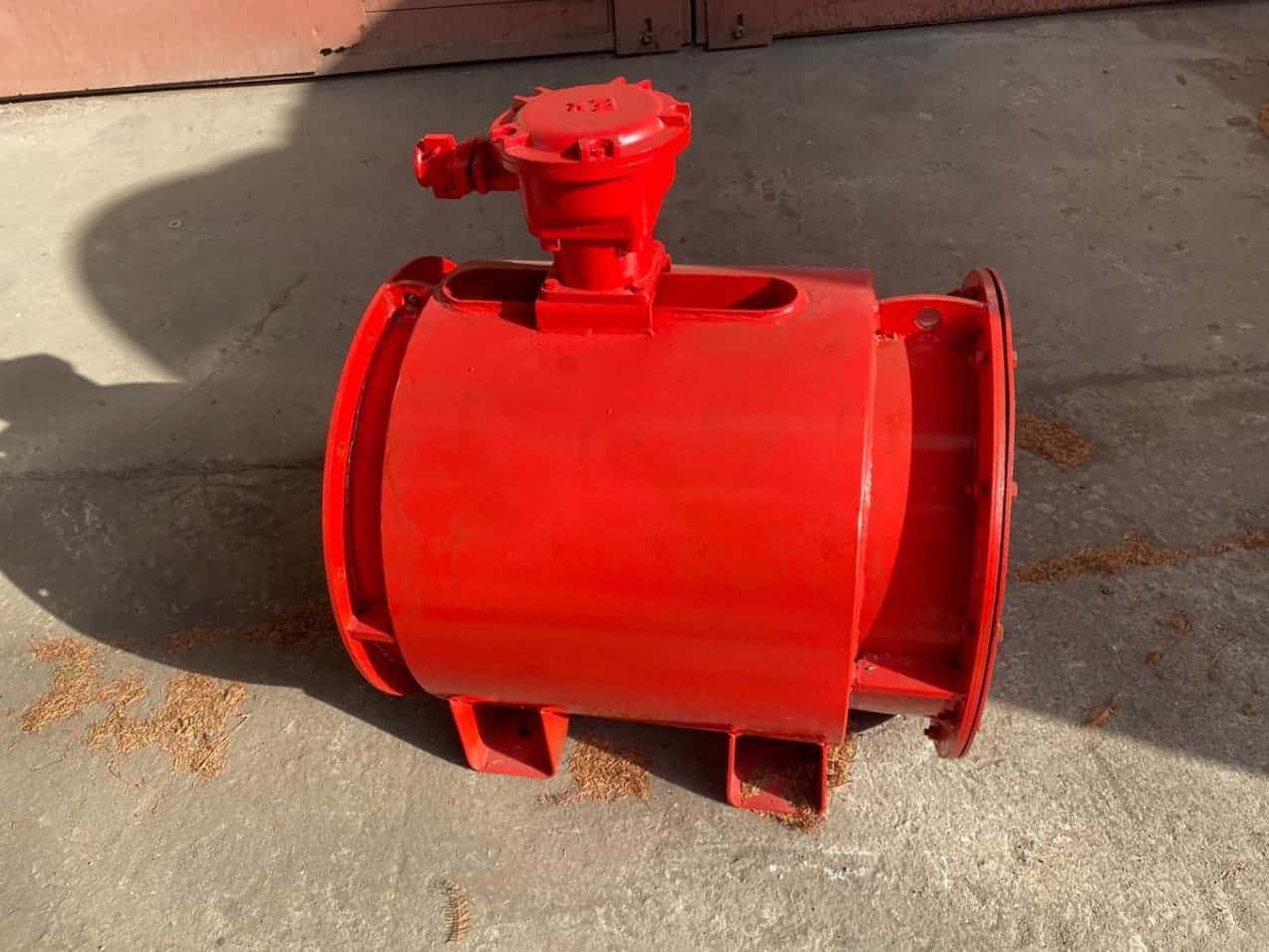
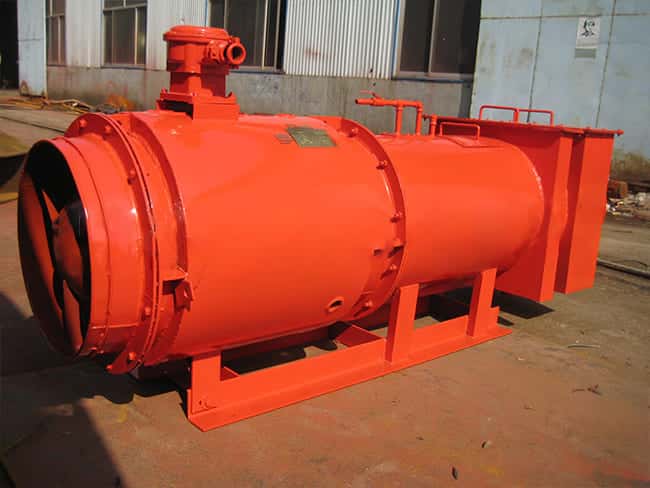
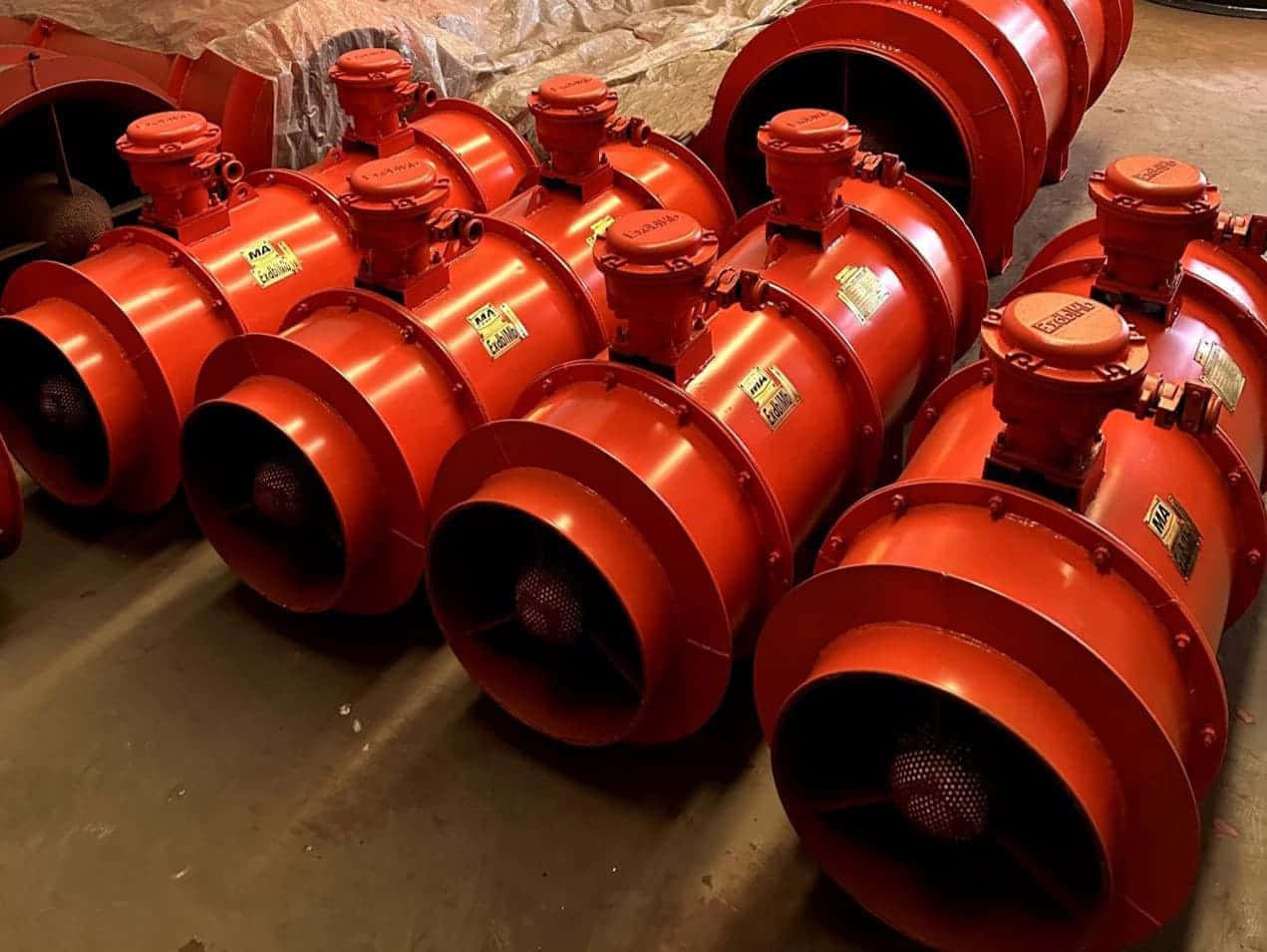
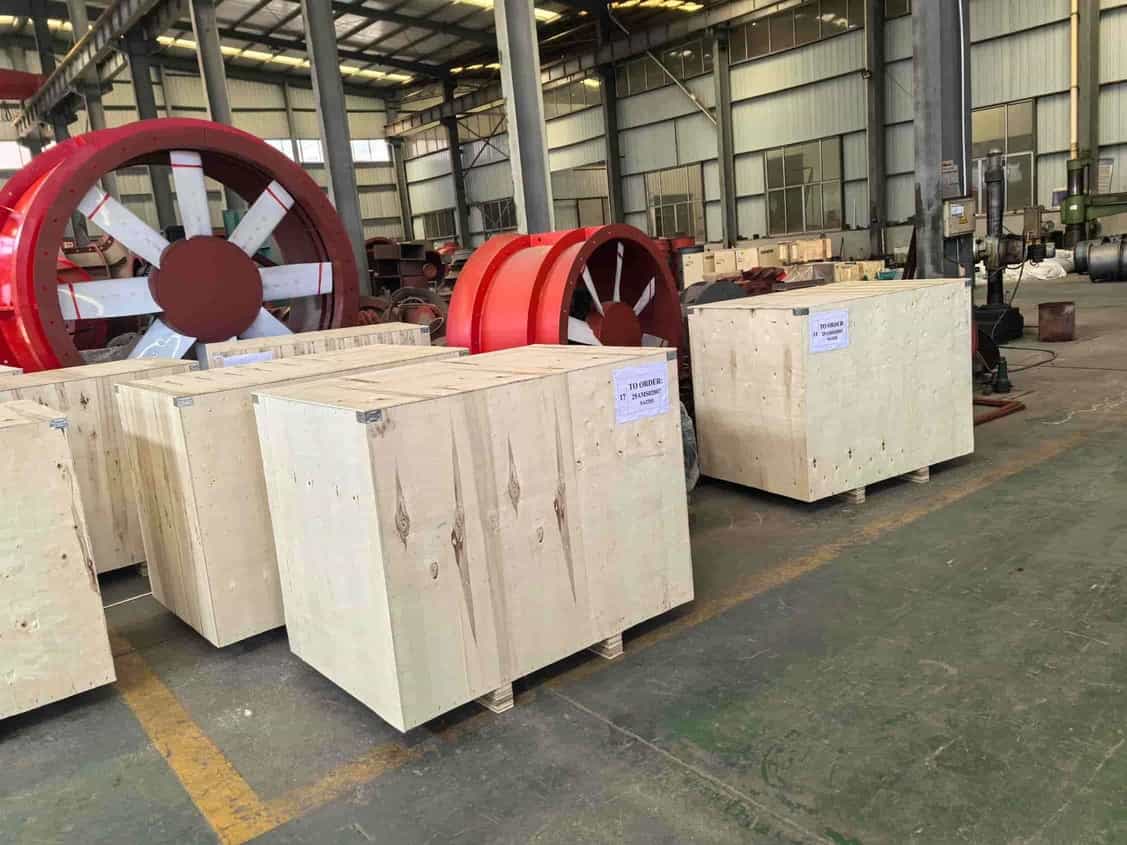
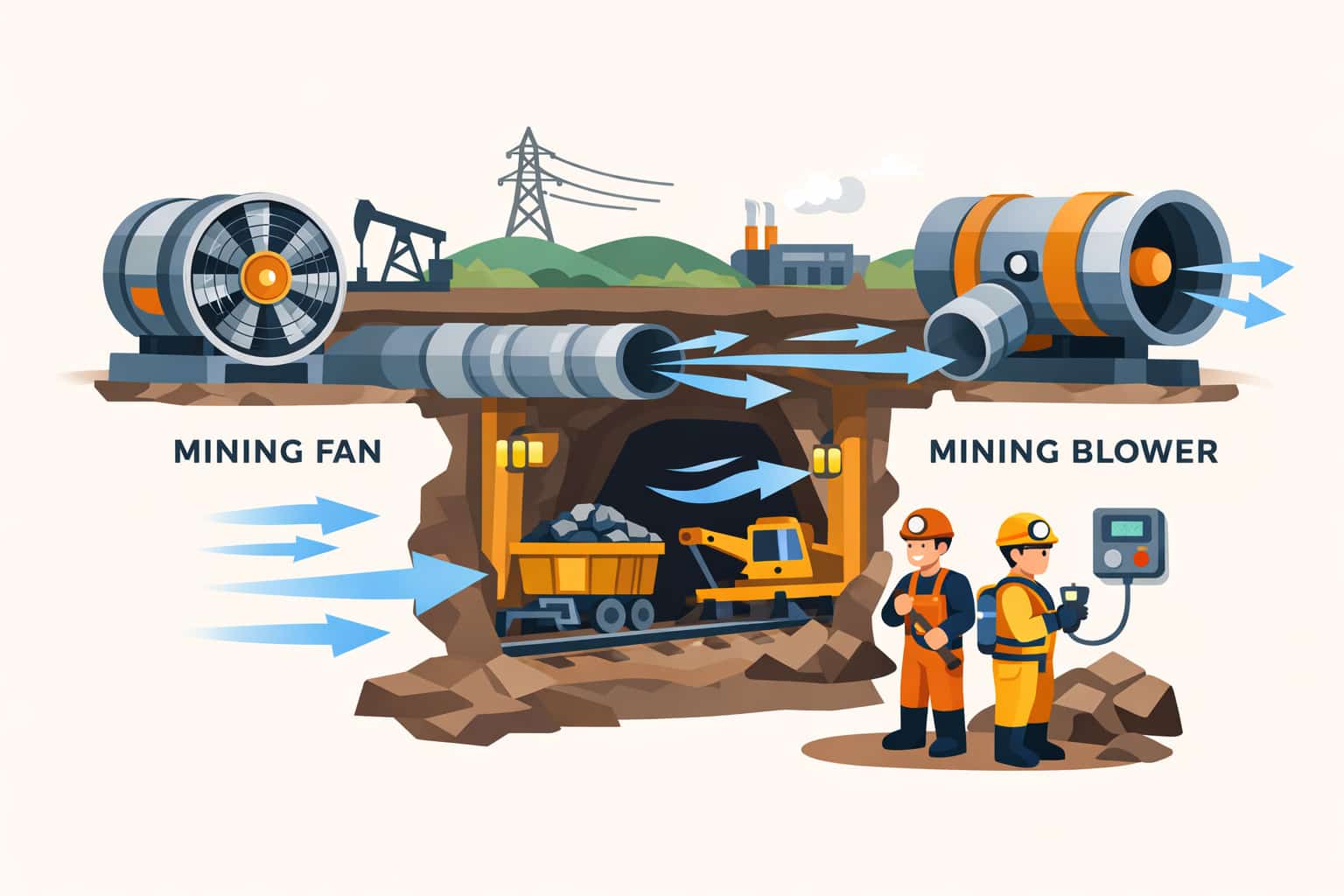
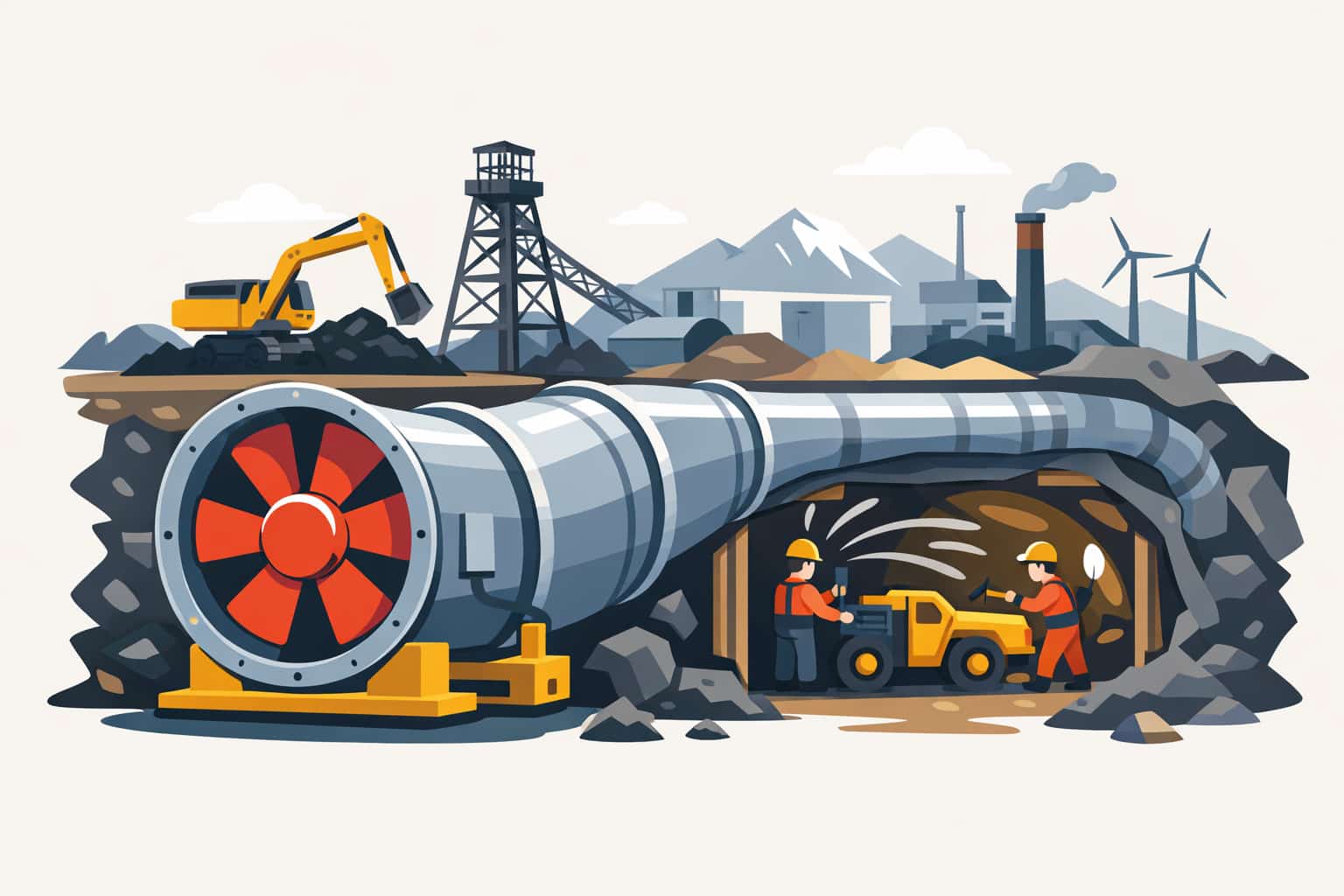
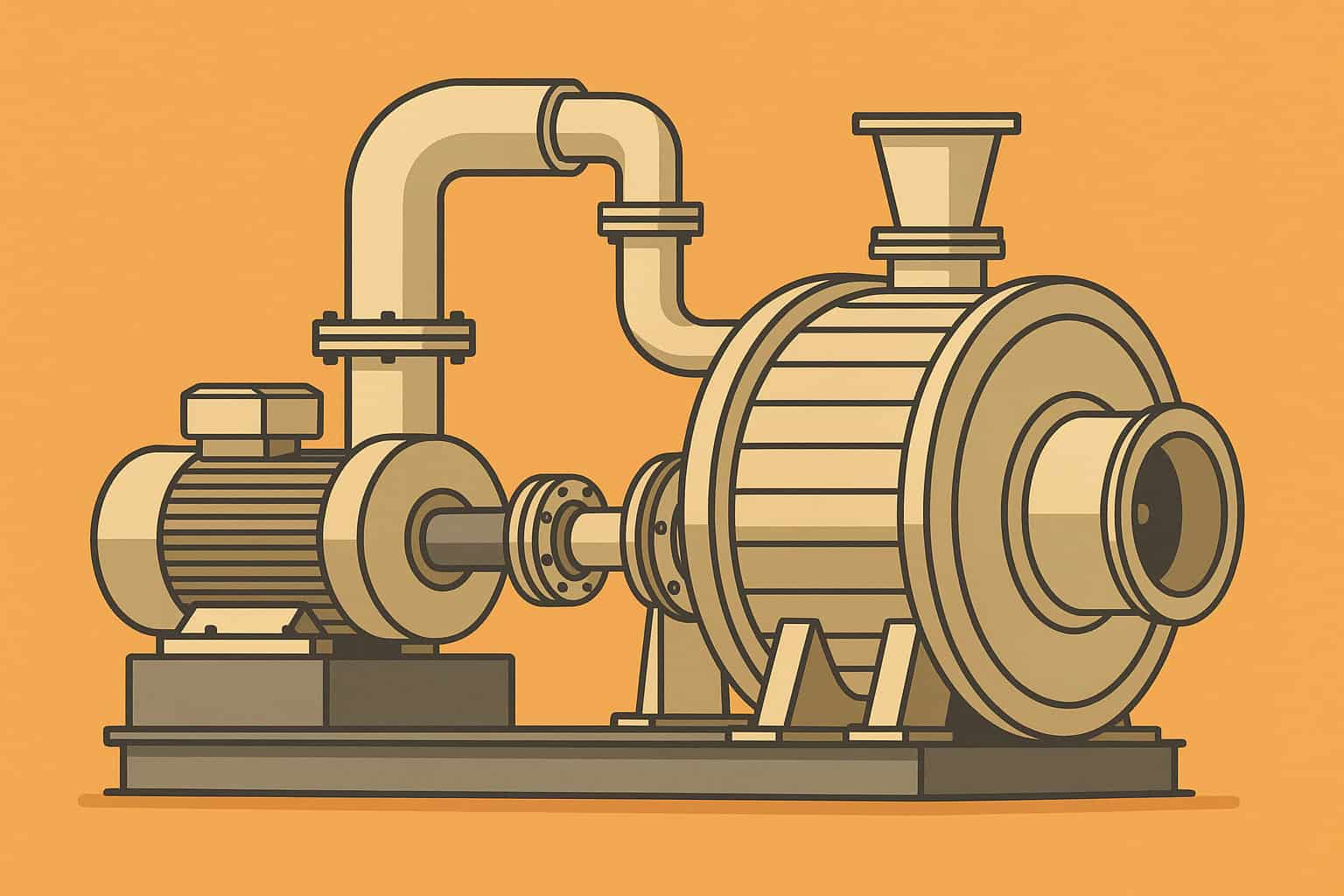

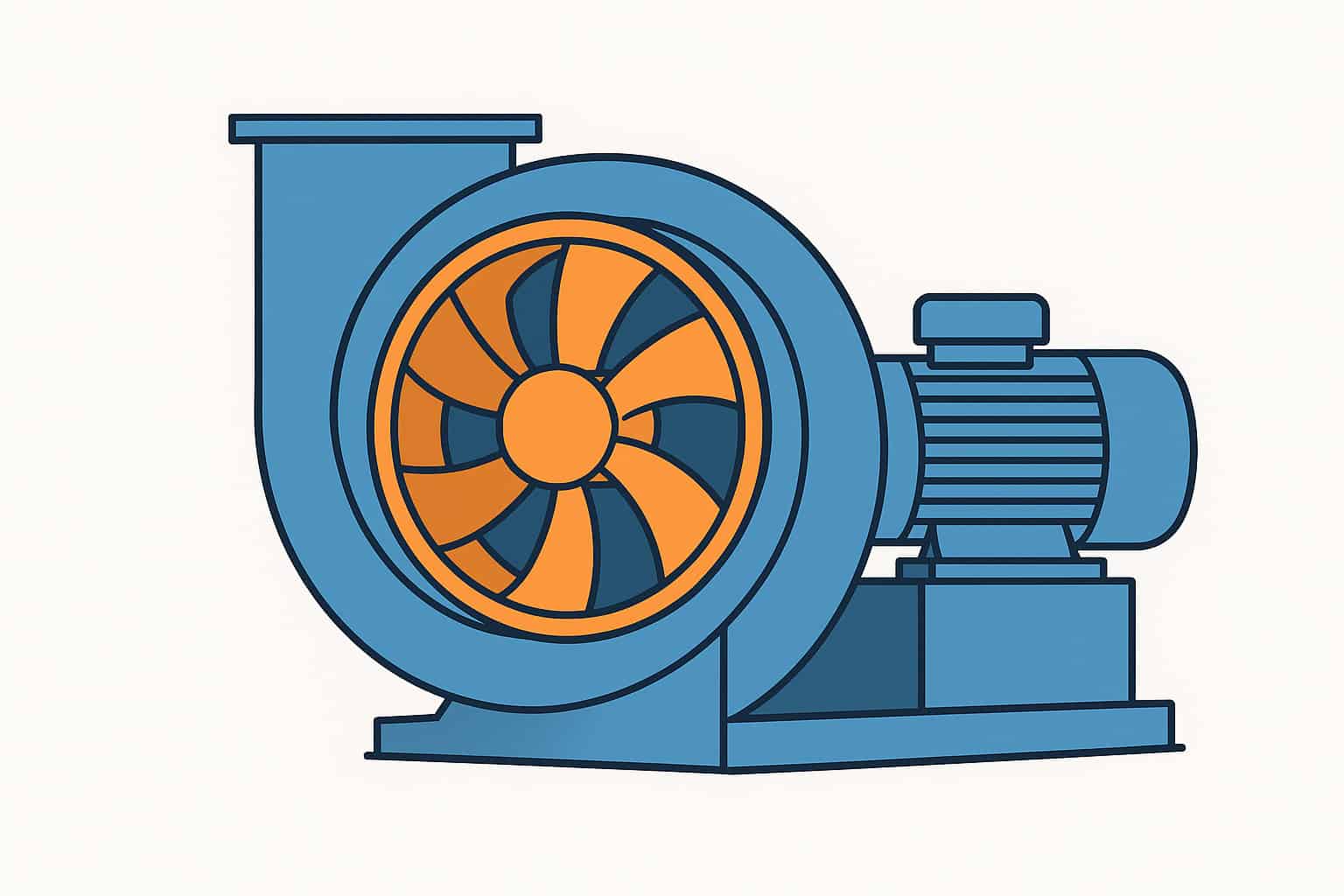
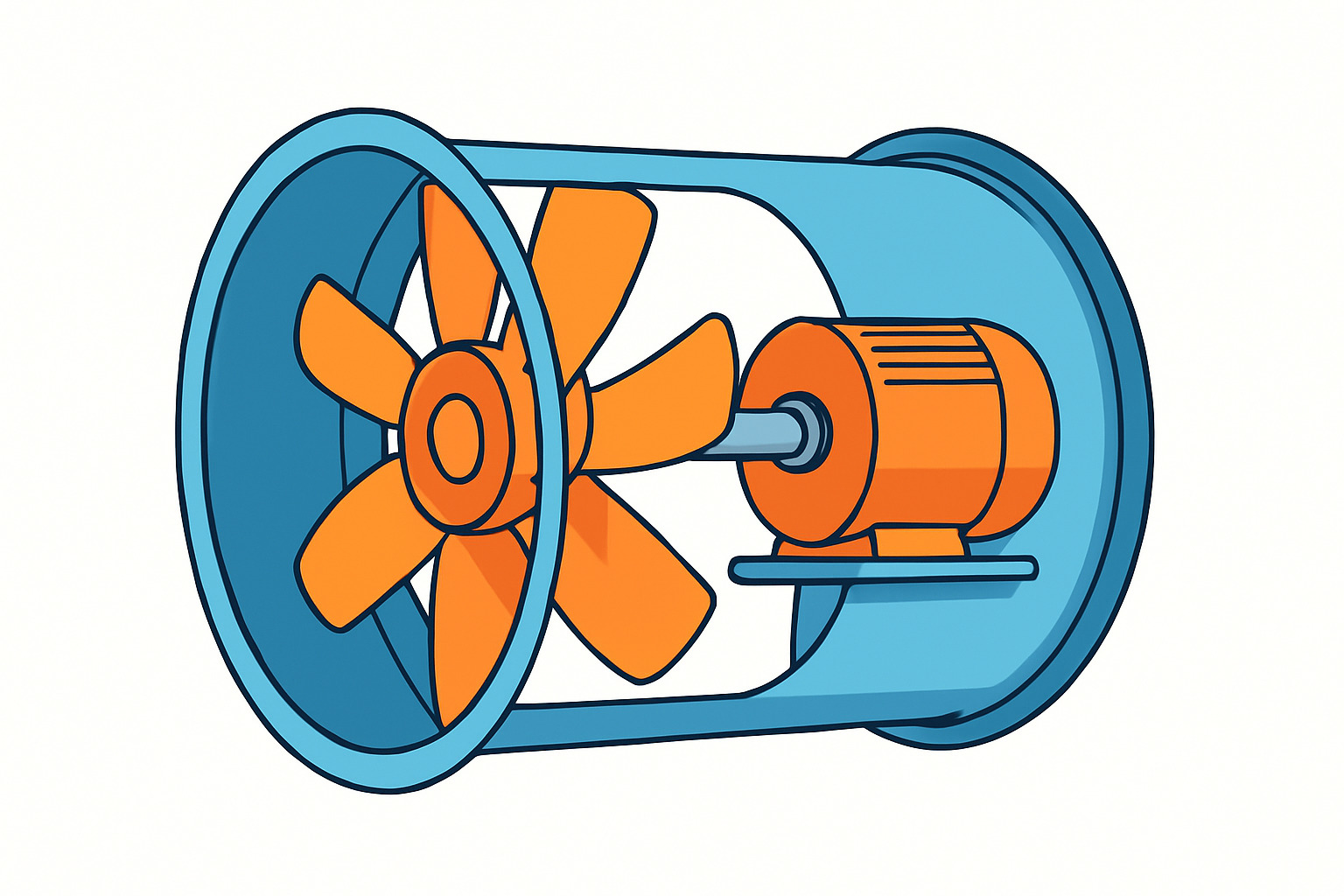
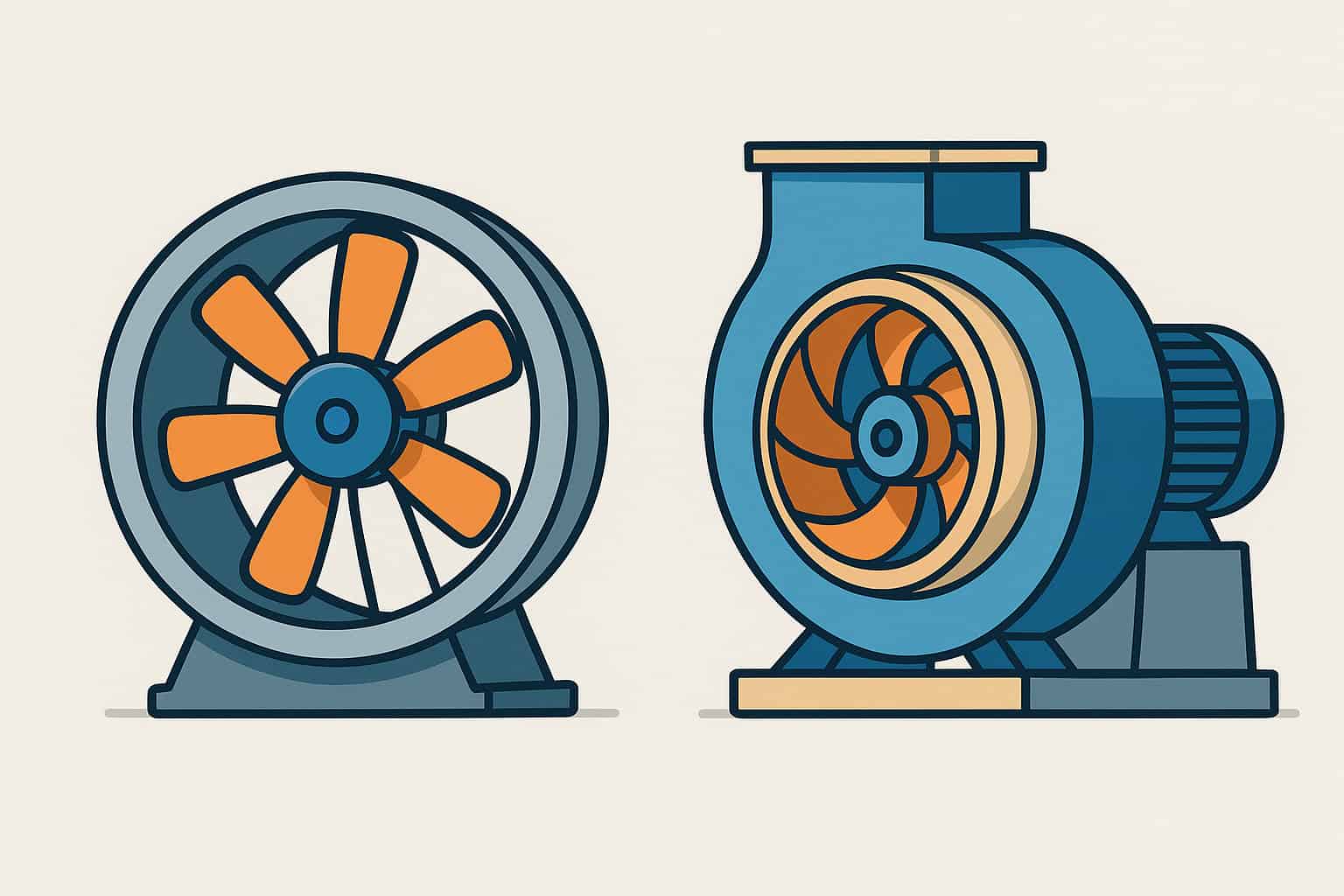
Tunnel ventilation is important because it makes enclosed road, rail, metro and mining tunnels safe and usable. Without a designed ventilation system, exhaust gases, dust, heat and smoke would quickly accumulate inside the tunnel. Visibility would drop, oxygen levels could fall, and even a small incident could fill the tunnel with smoke, making evacuation and rescue extremely difficult. Modern tunnels therefore rely on axial and centrifugal tunnel ventilation fans to control air quality and provide safe conditions for people and vehicles.
In everyday operation, the main role of tunnel ventilation is air quality control. Vehicles and locomotives emit carbon monoxide, nitrogen oxides, particulates and heat. In mining tunnels, diesel equipment and blasting add additional contaminants. Ventilation fans create airflow that dilutes these pollutants and carries them towards exhaust shafts or portals. By keeping gas concentrations and particulate levels below regulatory limits, ventilation protects drivers, passengers, operators and maintenance staff.
Another reason tunnel ventilation is important is temperature and comfort management. In long tunnels, heat from engines, cables, lighting and surrounding rock can cause air temperatures to rise to uncomfortable or even dangerous levels. A well-designed ventilation system keeps air moving, removes heat and can work together with cooling measures to maintain acceptable tunnel temperatures and humidity. This protects both people and sensitive electrical equipment installed in the tunnel.
Ventilation is also essential for smoke control during fires. A vehicle fire, cable fire or equipment fire inside a tunnel can produce large amounts of smoke and toxic gases. The way smoke moves is determined by ventilation. Tunnel ventilation systems are designed to operate in special fire modes: jet fans or axial exhaust fans can be used to direct smoke in one direction, protect escape routes and maintain tenable conditions near emergency exits and cross passages. Without this controlled smoke management, even a small fire could lead to a major disaster.
From a design and operations perspective, tunnel ventilation is important for regulatory compliance and risk management. Authorities require designers to demonstrate that pollutant concentrations, visibility and temperatures will remain within set limits in both normal and worst-case conditions. They also require that the ventilation system provide defined smoke control performance during fire scenarios. Meeting these requirements depends on the correct selection of tunnel fans, shafts, dampers and control systems.
Finally, tunnel ventilation matters for reliability and lifecycle cost. Consistent airflow reduces condensation and corrosion on structural elements, cables and equipment, improving long-term durability. Properly designed ventilation also optimizes fan power consumption, balancing capital cost and energy cost over the life of the tunnel. In this way, investing in a good tunnel ventilation system pays off in fewer failures, safer operations and lower operating costs.
In summary, tunnel ventilation is important because it controls air quality, heat and smoke in confined underground structures. It uses tunnel ventilation fans, shafts and dampers to keep tunnels safe and functional in daily traffic and in emergency situations.