
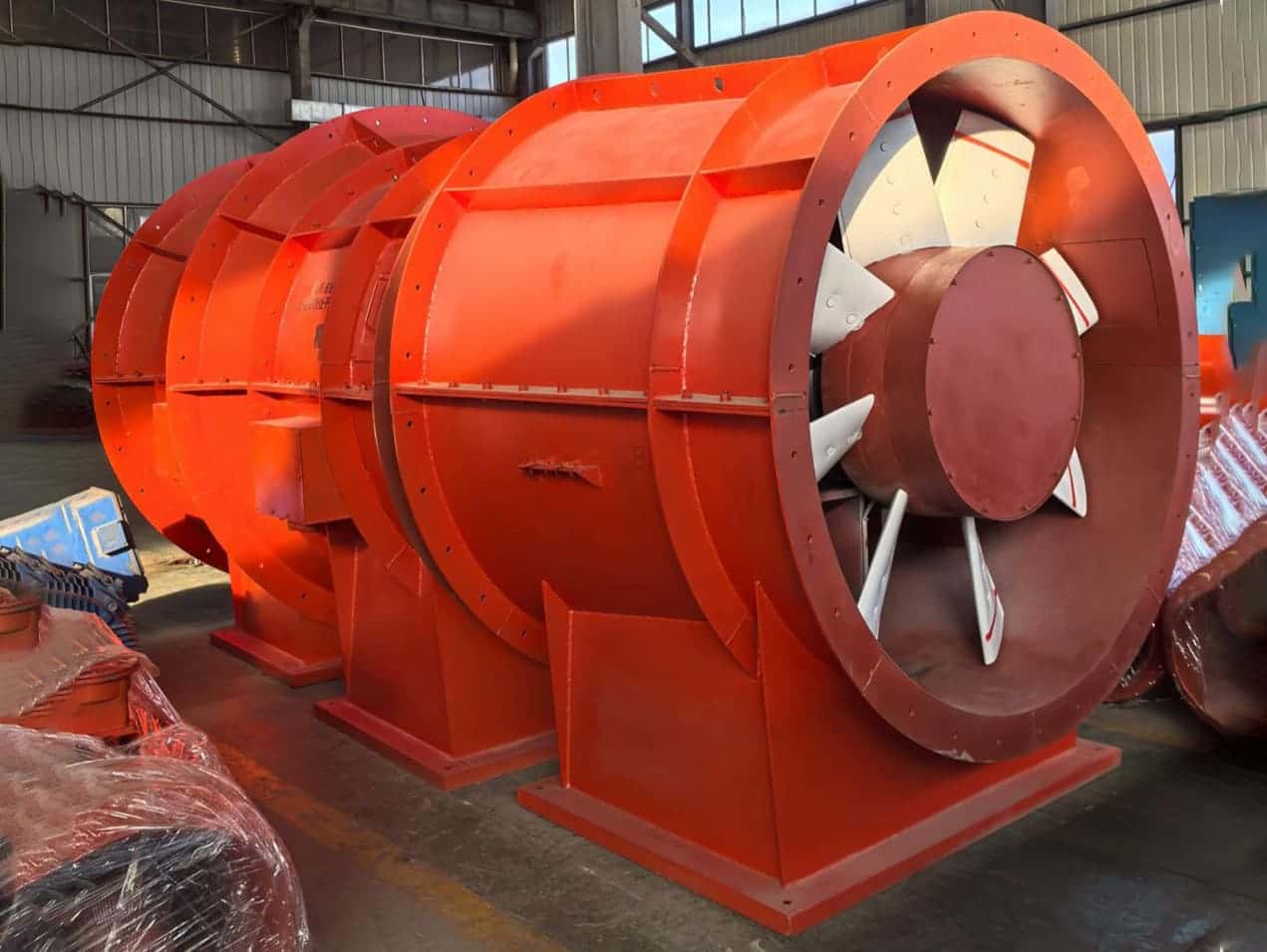
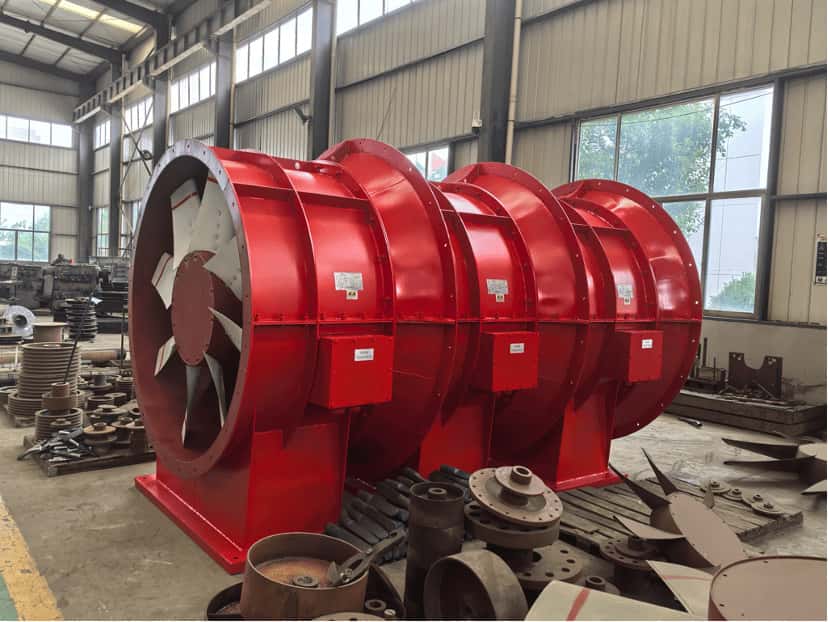
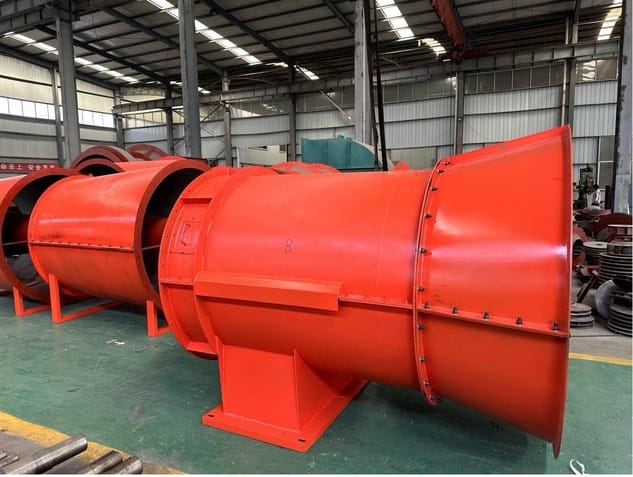
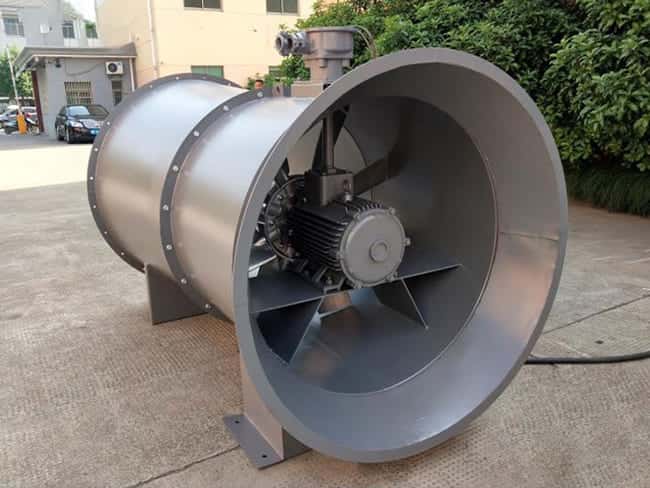
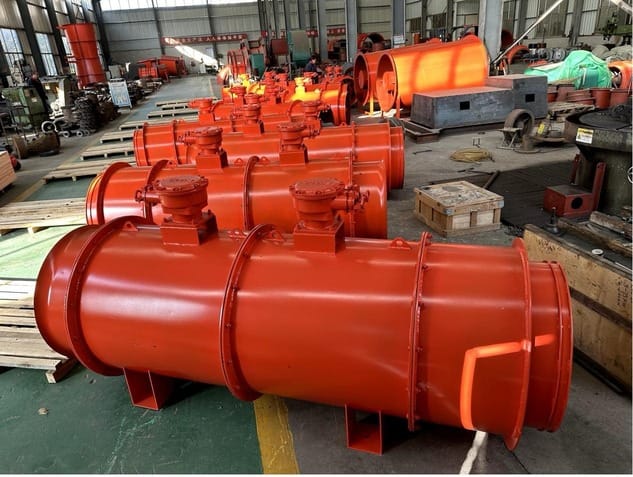
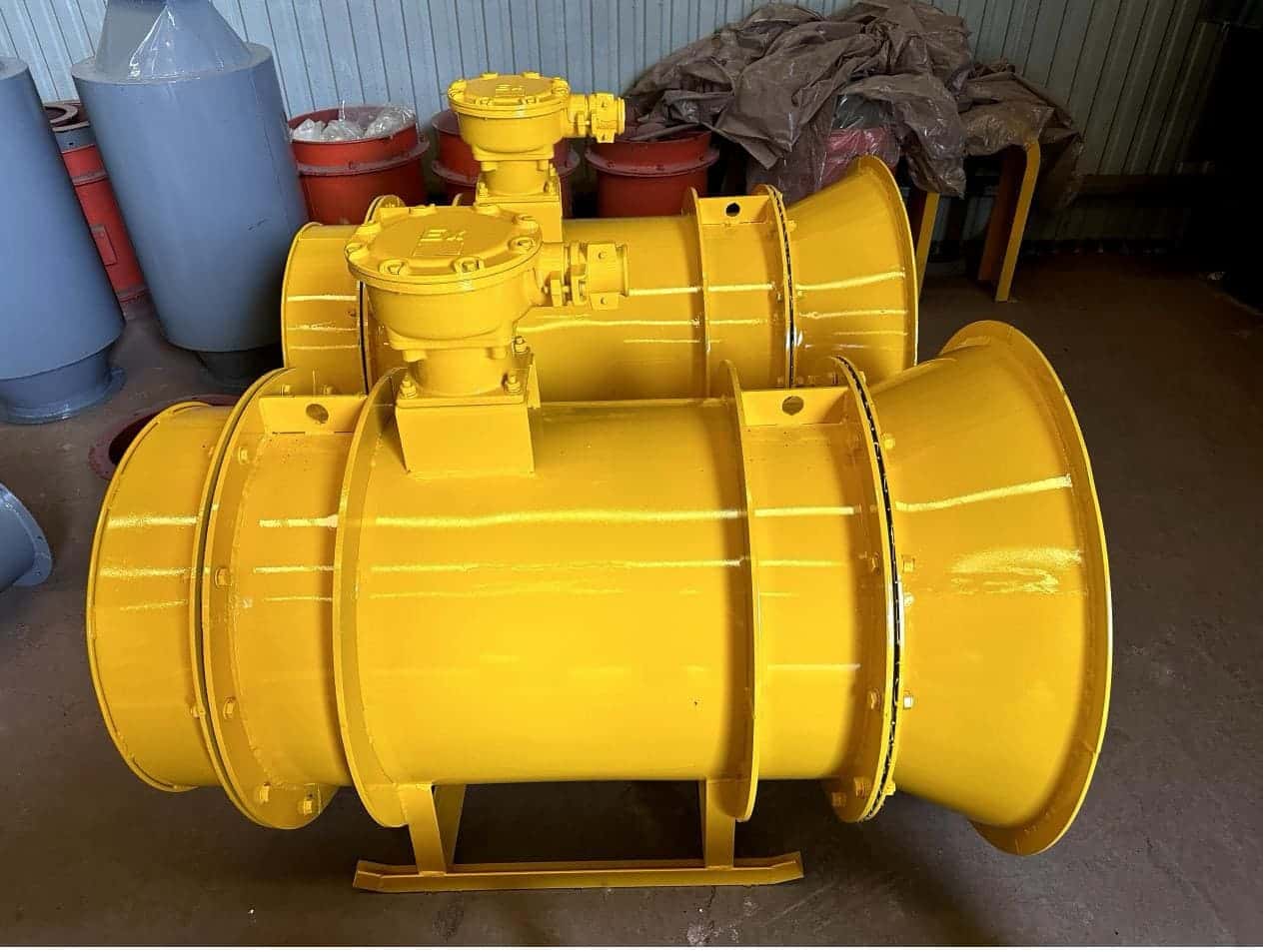
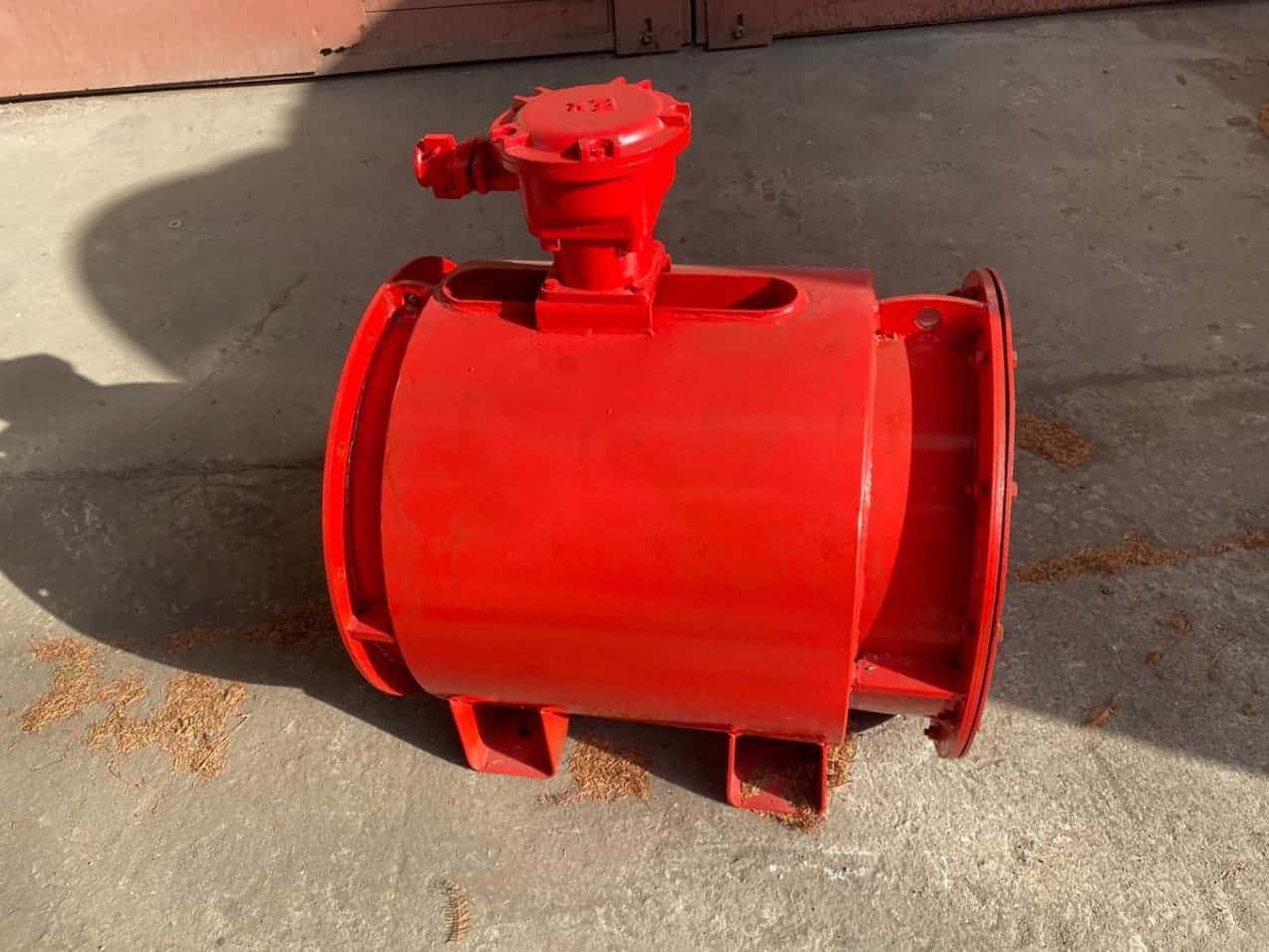
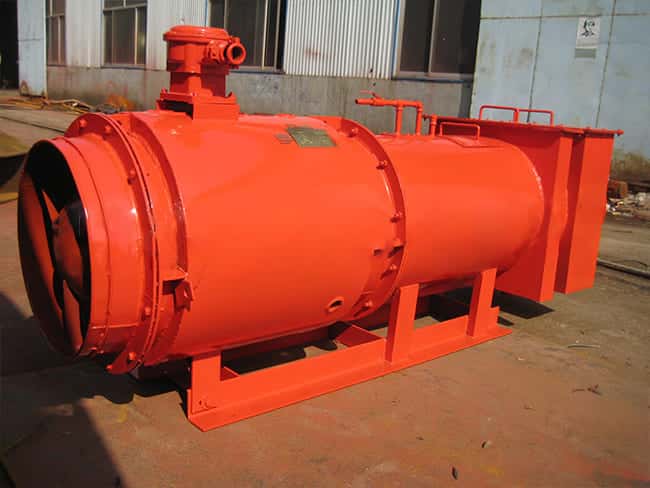
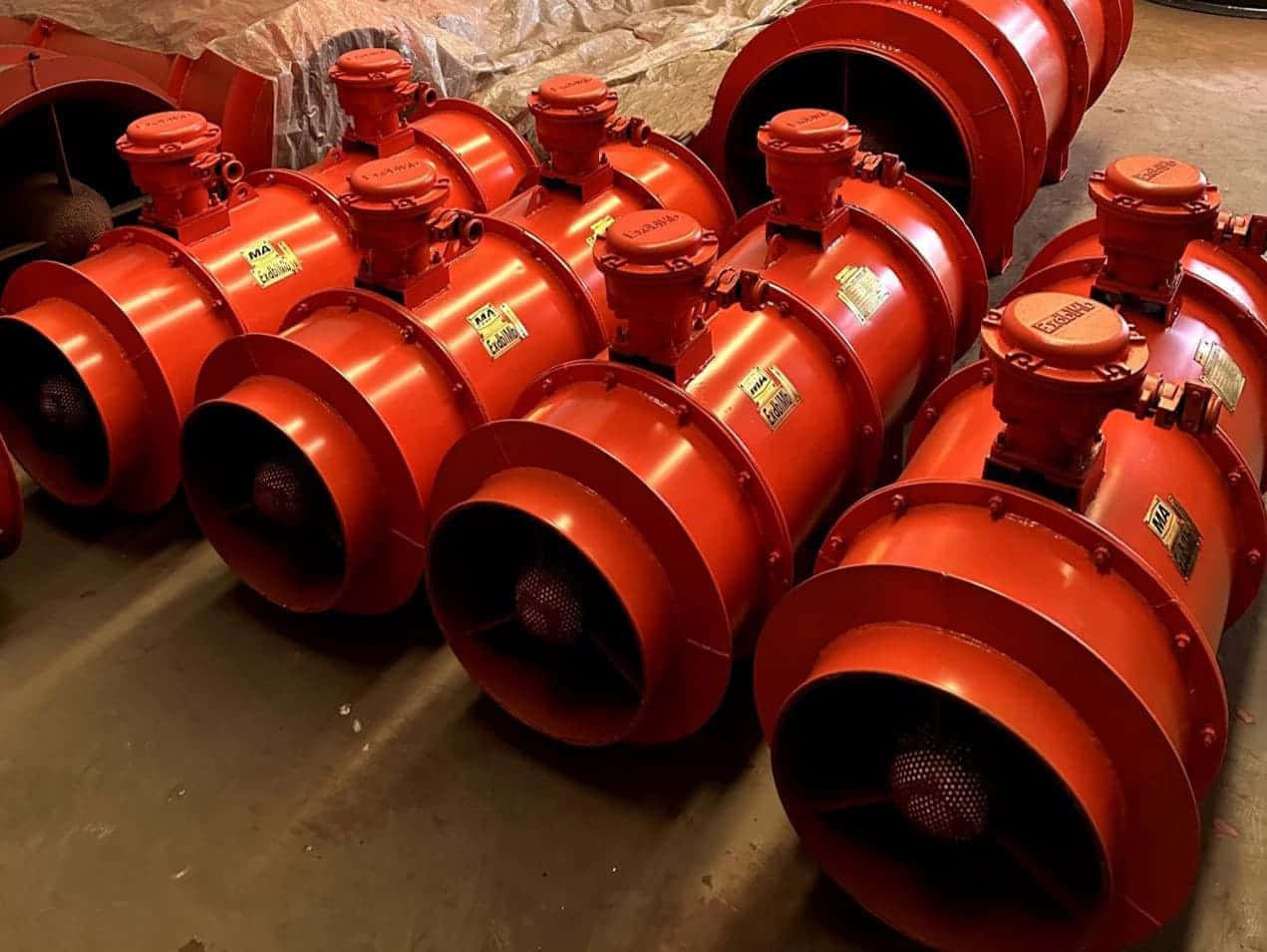
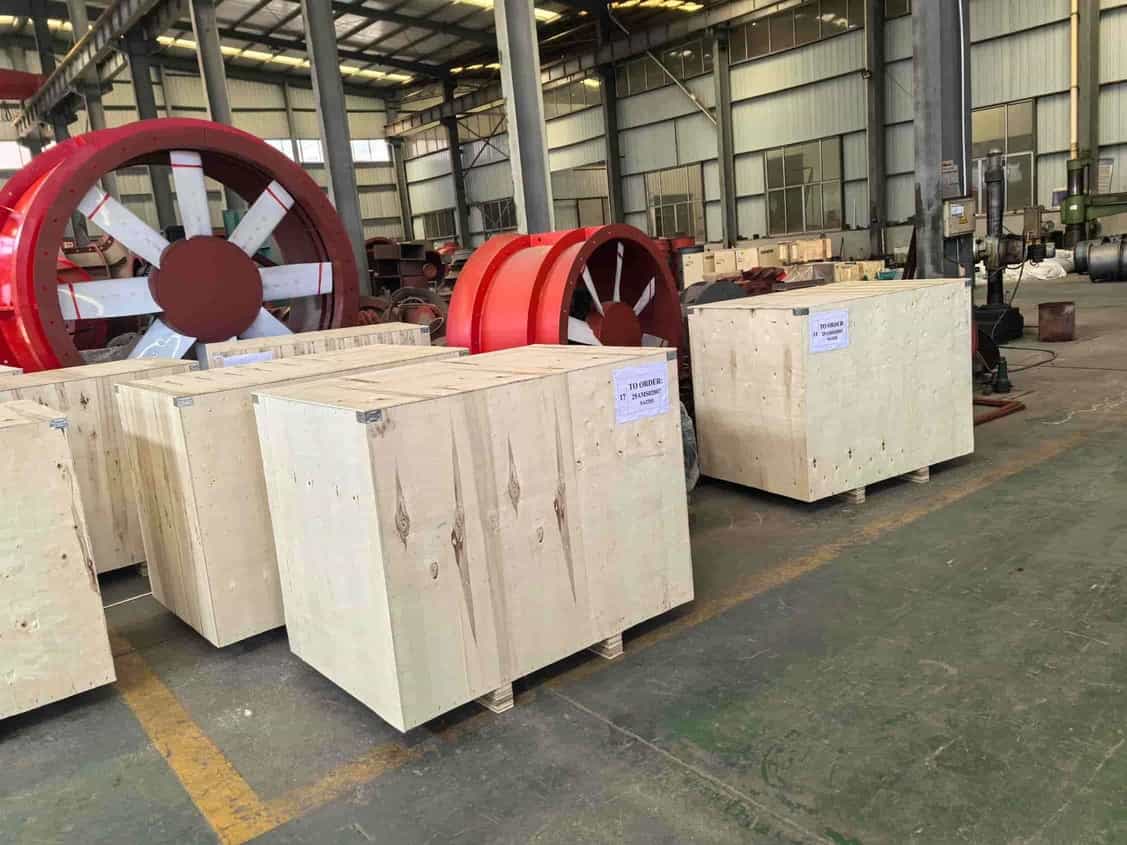
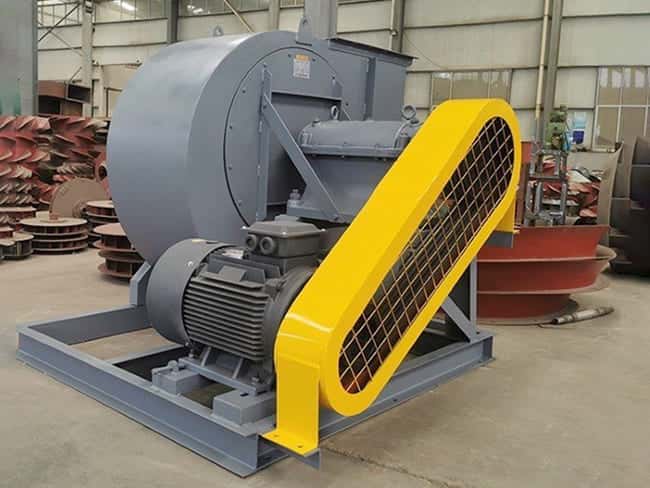
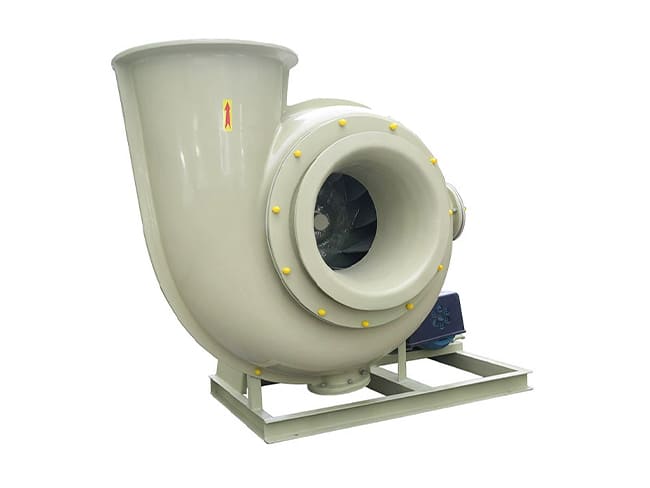
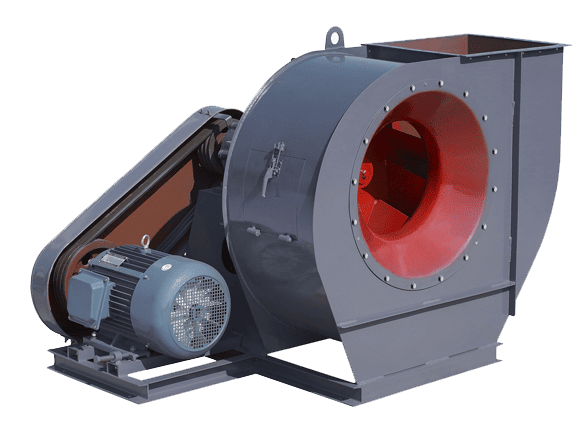
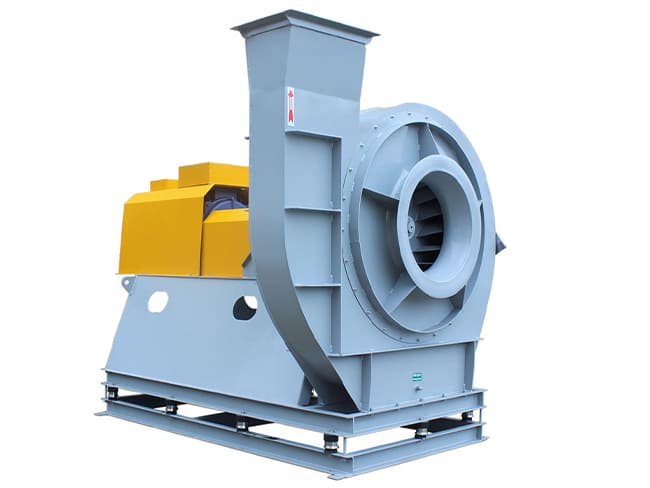
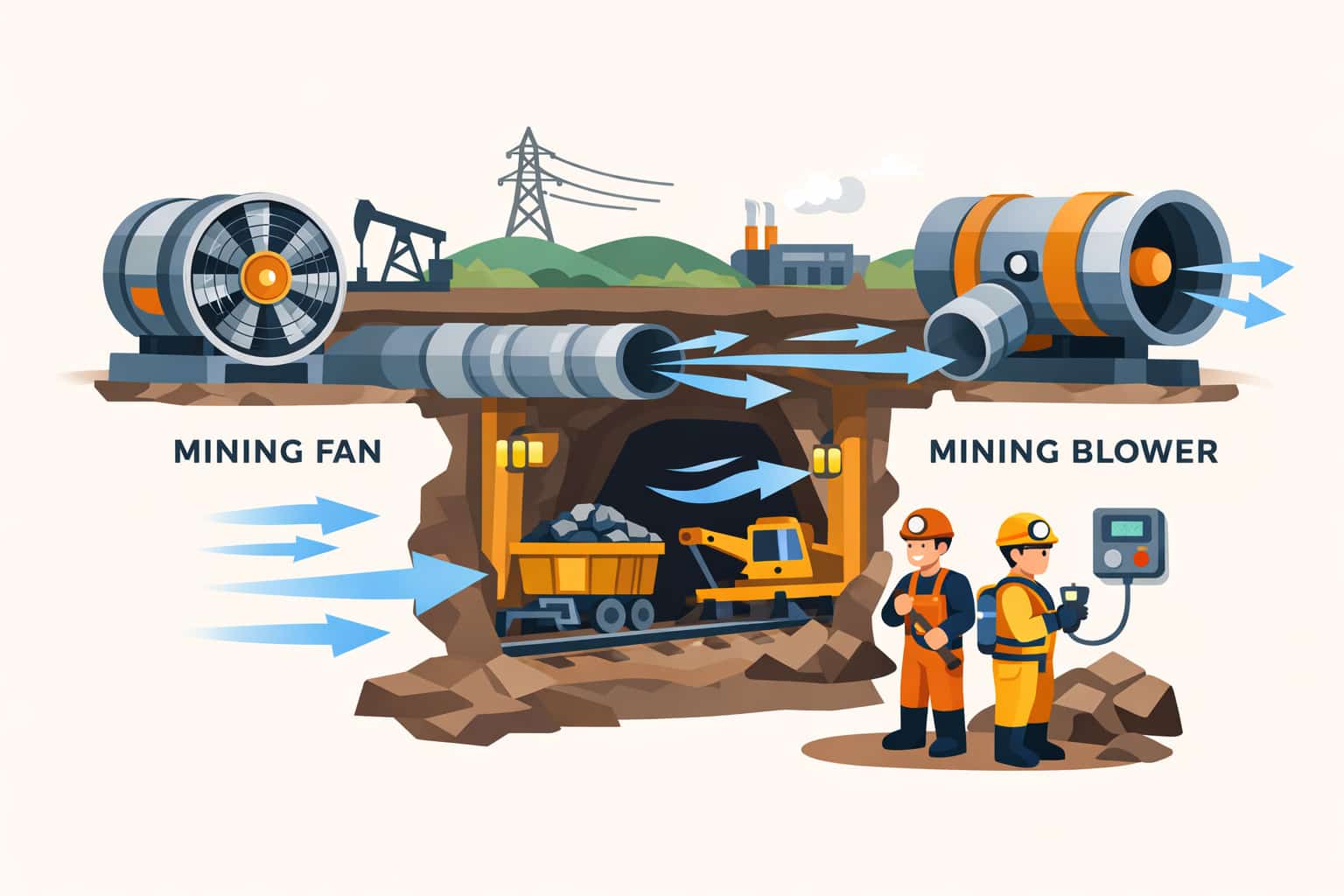
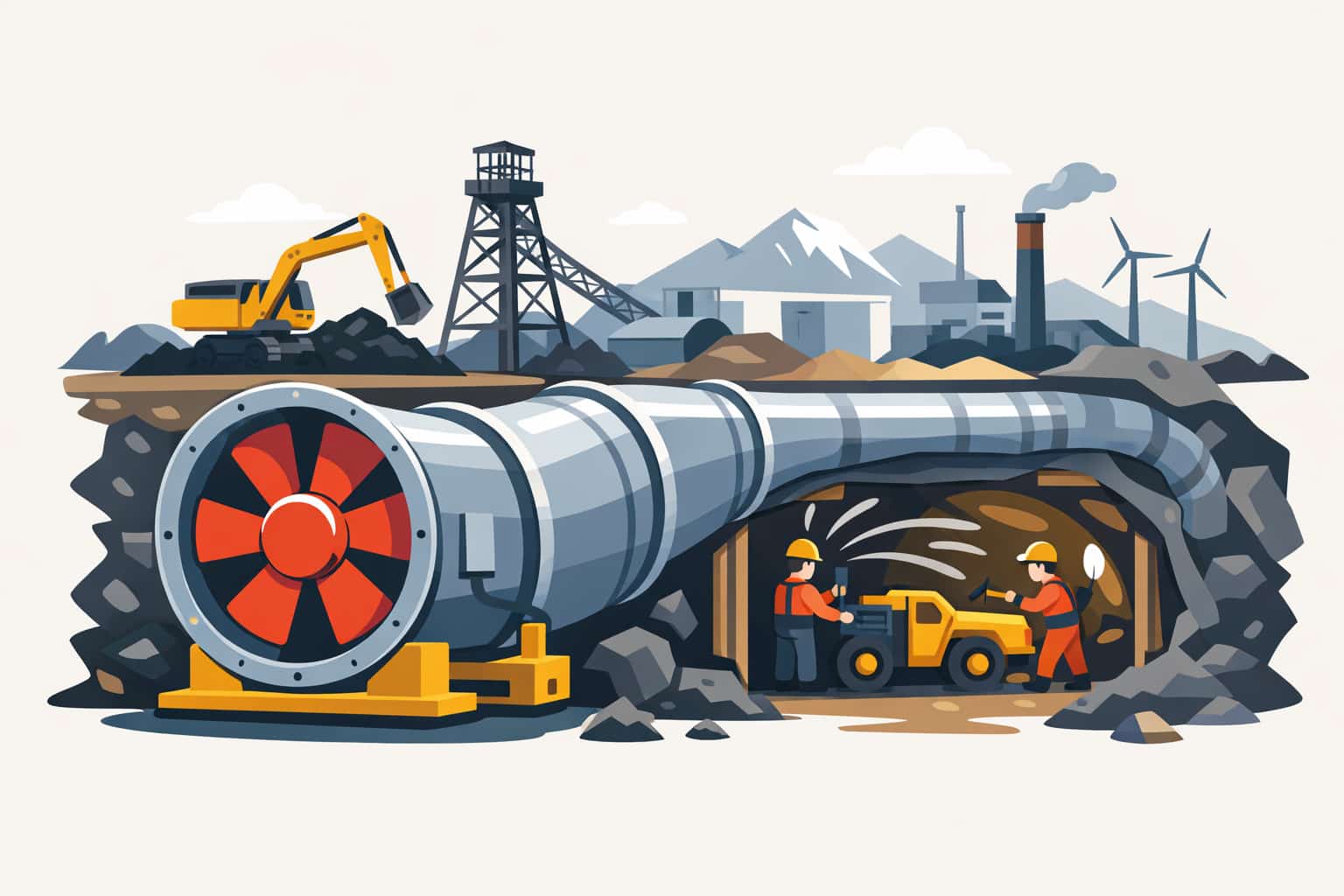
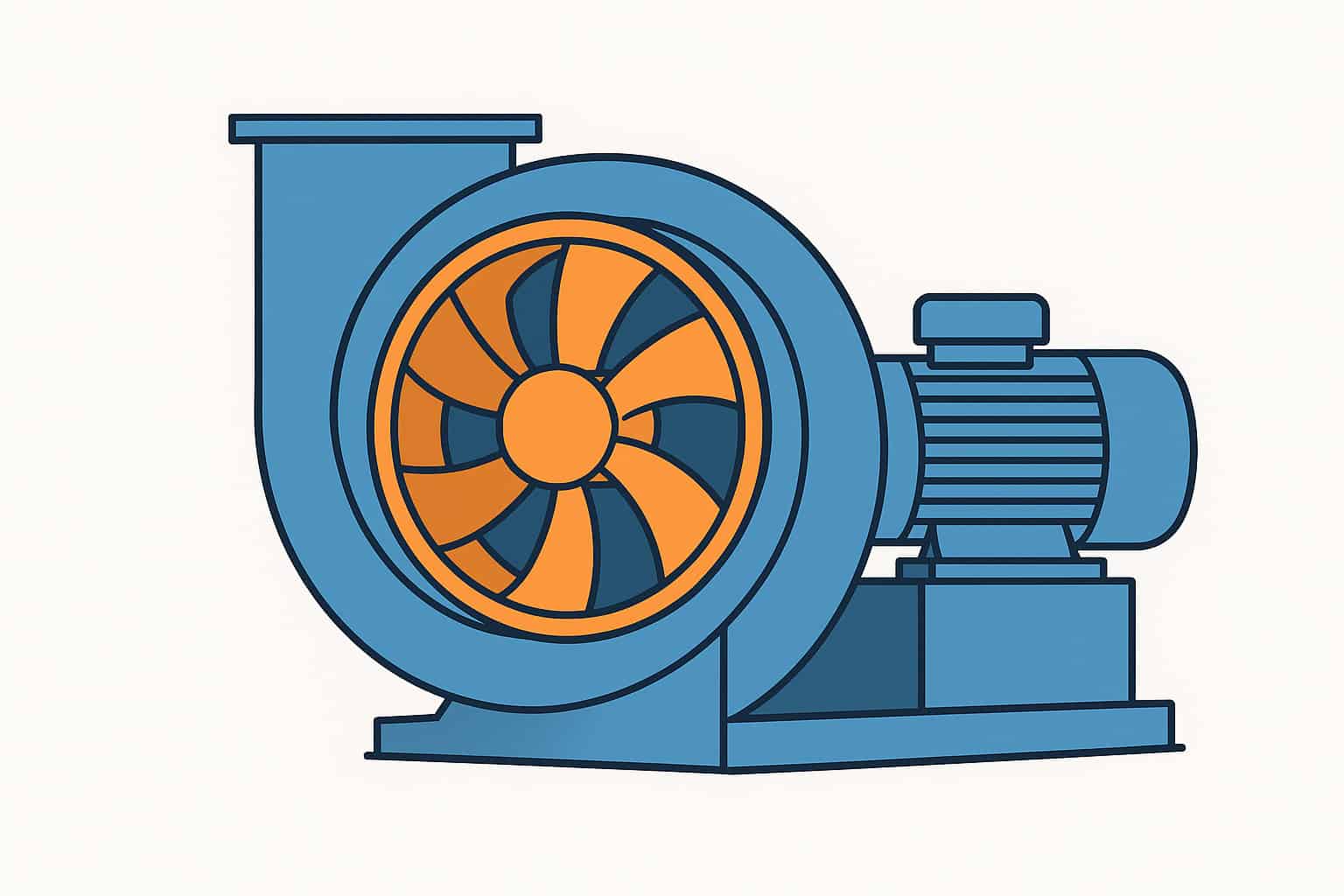
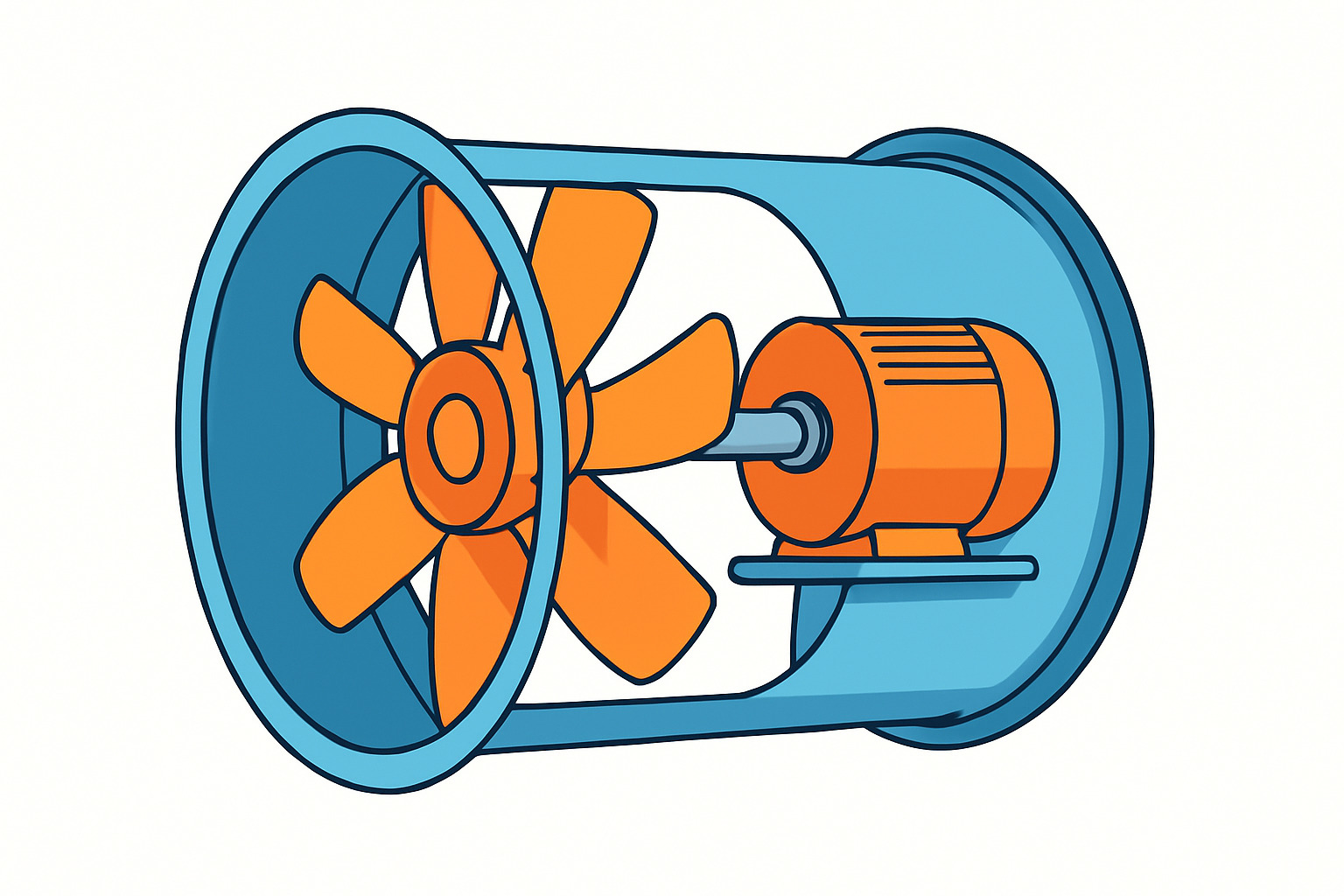
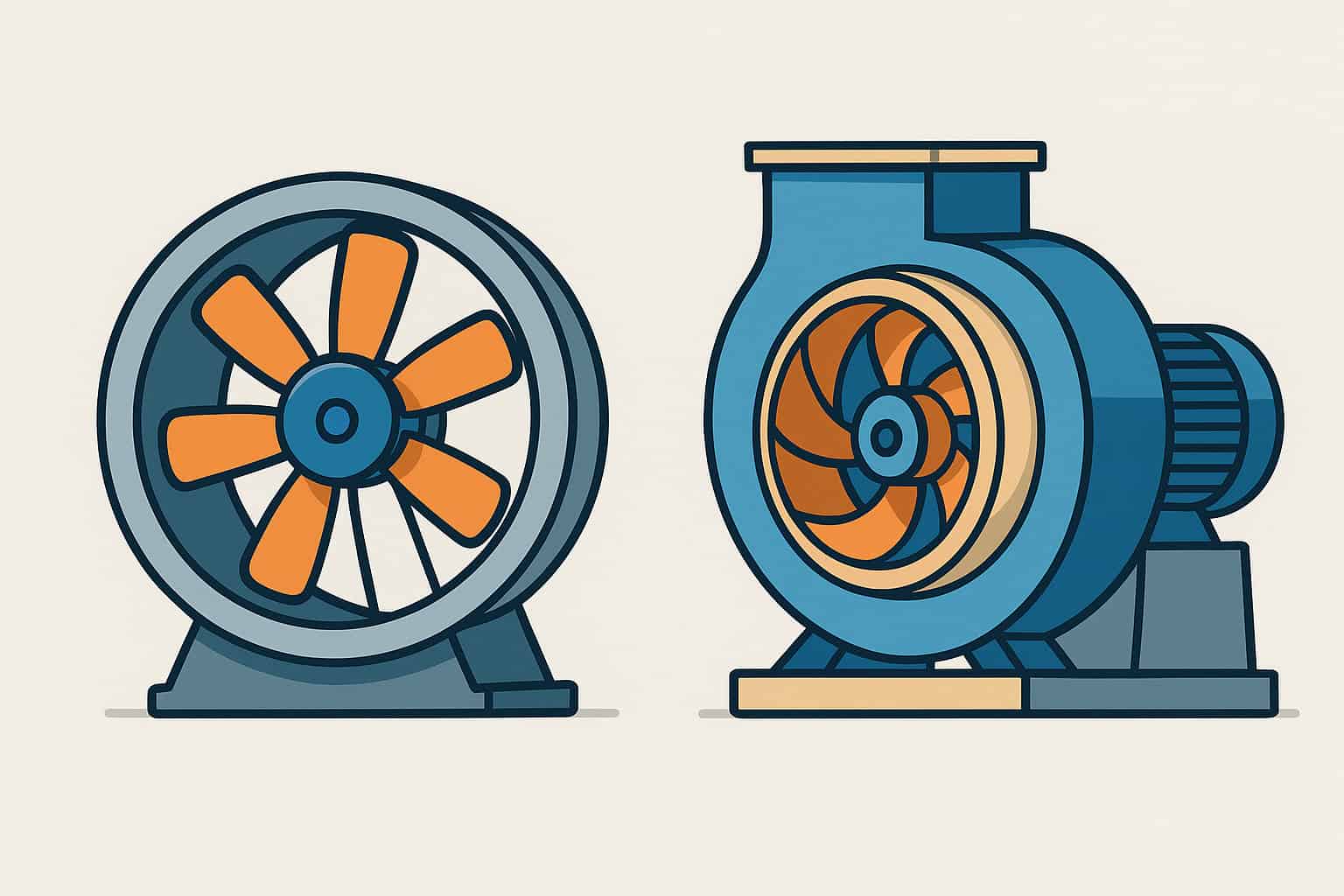
Ventilation is important in a mine because it is the primary system that keeps the underground environment safe for people and equipment. Without a well-designed and properly operated ventilation system, underground workings would quickly become hazardous due to lack of oxygen, buildup of toxic or explosive gases, excessive dust and intolerable heat. Ventilation, driven by mining fans and controlled airways, is therefore as essential to a mine as its power supply or hoisting system.
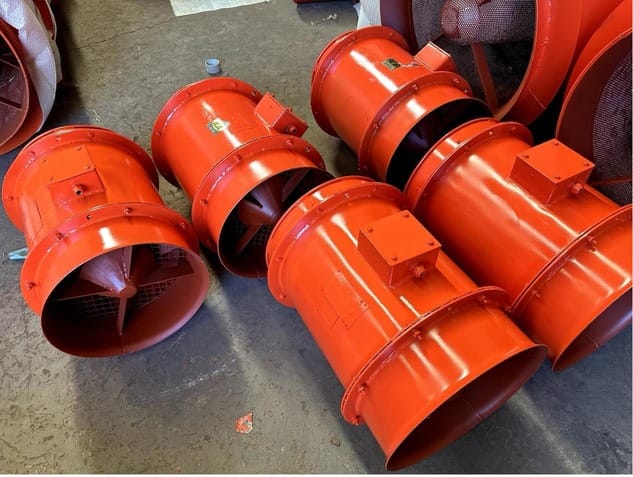
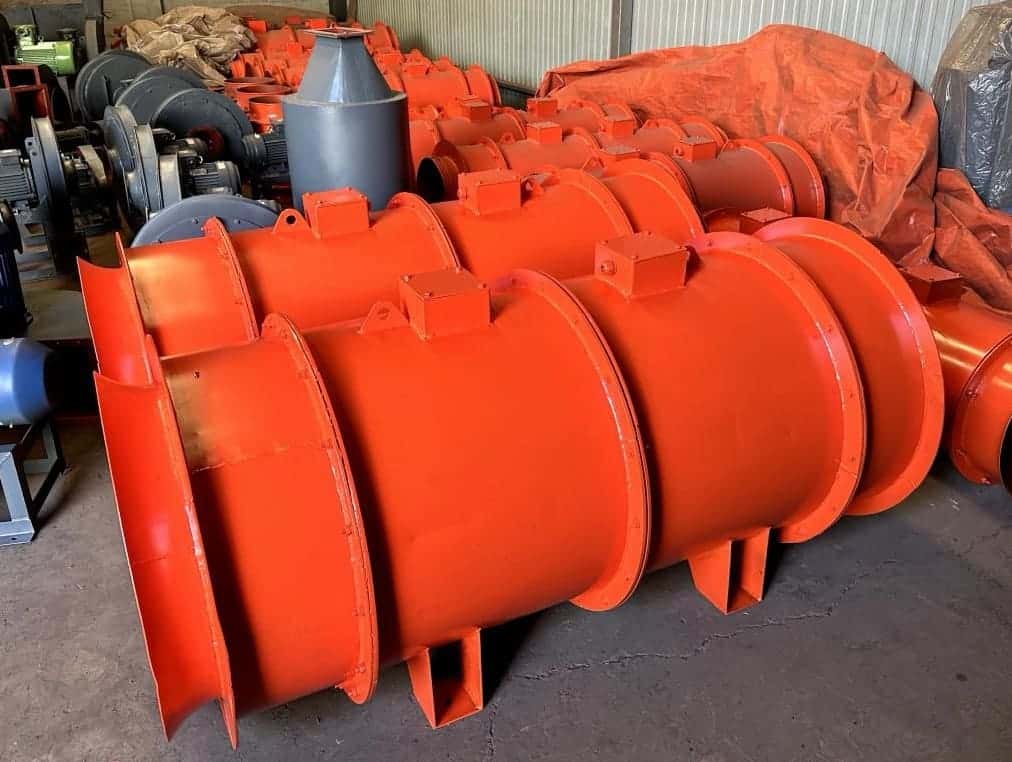
The most obvious reason ventilation is important is that it supplies fresh air. Workers, diesel engines and explosives all consume oxygen. In the confined spaces of an underground mine, natural air exchange is minimal, so main fans and auxiliary fans must continuously bring in clean air from the surface through intake shafts and declines, and distribute it to every active heading, stope and workshop.
Ventilation is equally critical for diluting and removing harmful gases. Many mines encounter methane or other gases released from the orebody or surrounding strata. Diesel engines and explosives produce carbon monoxide, nitrogen oxides and additional fumes. These gases can be toxic or explosive if allowed to accumulate. Proper ventilation keeps their concentrations below regulatory exposure limits, reduces explosion risk and supports safe blasting and equipment operation.
Another important aspect is dust and diesel particulate control. Drilling, blasting, mucking, loading and crushing all generate fine rock dust, while diesel equipment emits particulate matter. Long-term exposure to high dust levels can cause serious occupational lung diseases. A robust ventilation system, combined with local dust suppression and filtration where necessary, keeps dust and particulate levels in mine air as low as reasonably achievable.
Ventilation is also vital for controlling heat and humidity. As mining depths increase, rock temperatures rise and equipment produces more heat. Water inflows and process operations increase humidity. Ventilation removes heat and moisture from working areas and equipment bays and often works together with refrigeration plants to maintain acceptable working conditions. Without adequate ventilation, temperatures underground can exceed safe limits and equipment reliability may be compromised.
Finally, ventilation is a cornerstone of emergency preparedness and mine rescue. The way air moves through the mine determines how smoke and gases spread during fires or explosions. Ventilation plans specify how main and auxiliary fans, regulators and doors should be operated to protect escape routes, refuge chambers and rescue teams. Reliable ventilation is therefore not only a production necessity but also a life-saving system in emergency situations.
In summary, ventilation is important in a mine because it delivers fresh air, controls gases, dust, heat and humidity and provides a controllable airflow pattern for normal operations and emergencies. Mine ventilation fans and airways are fundamental to safe, sustainable underground mining.
