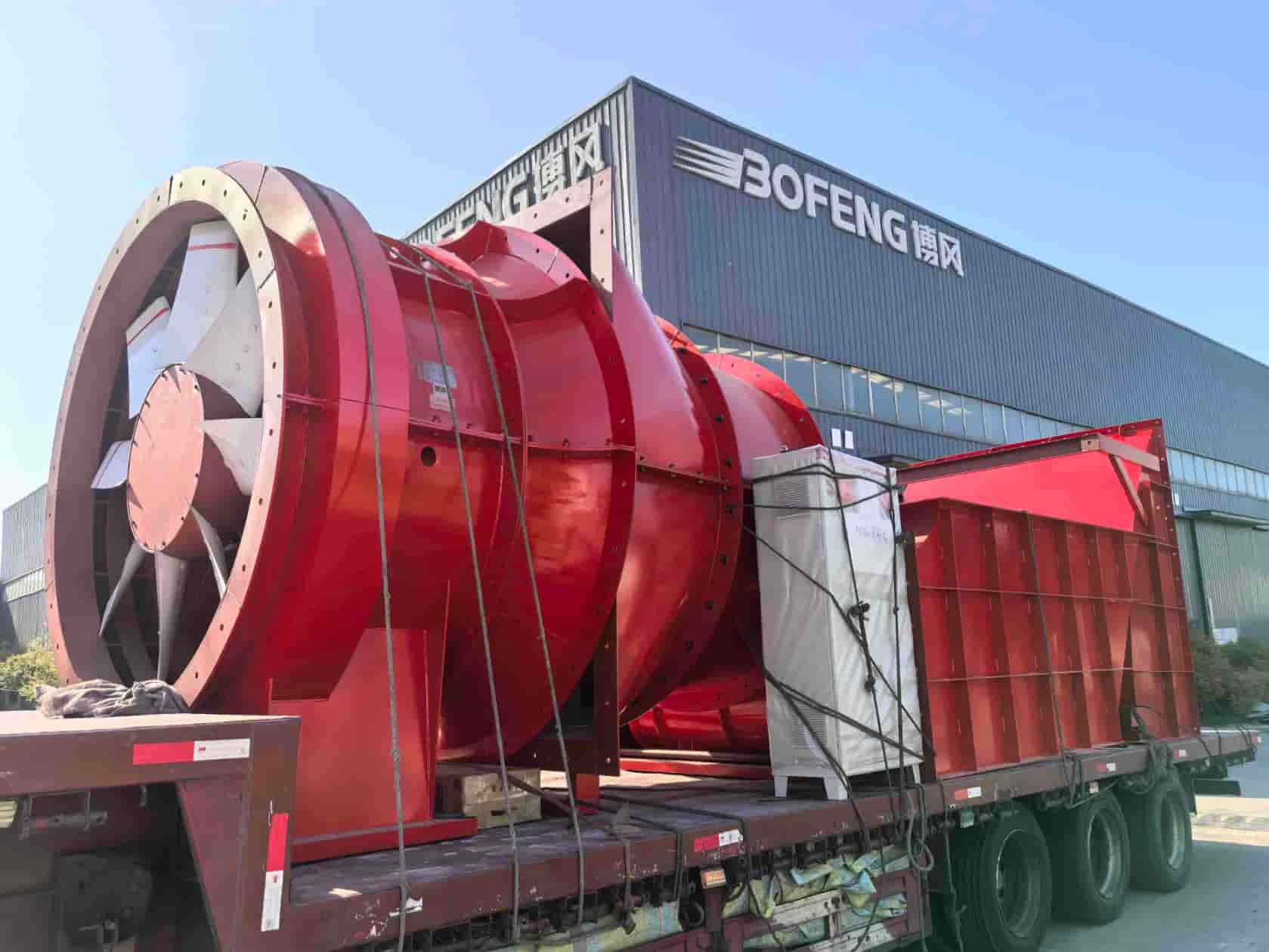
main pit fans
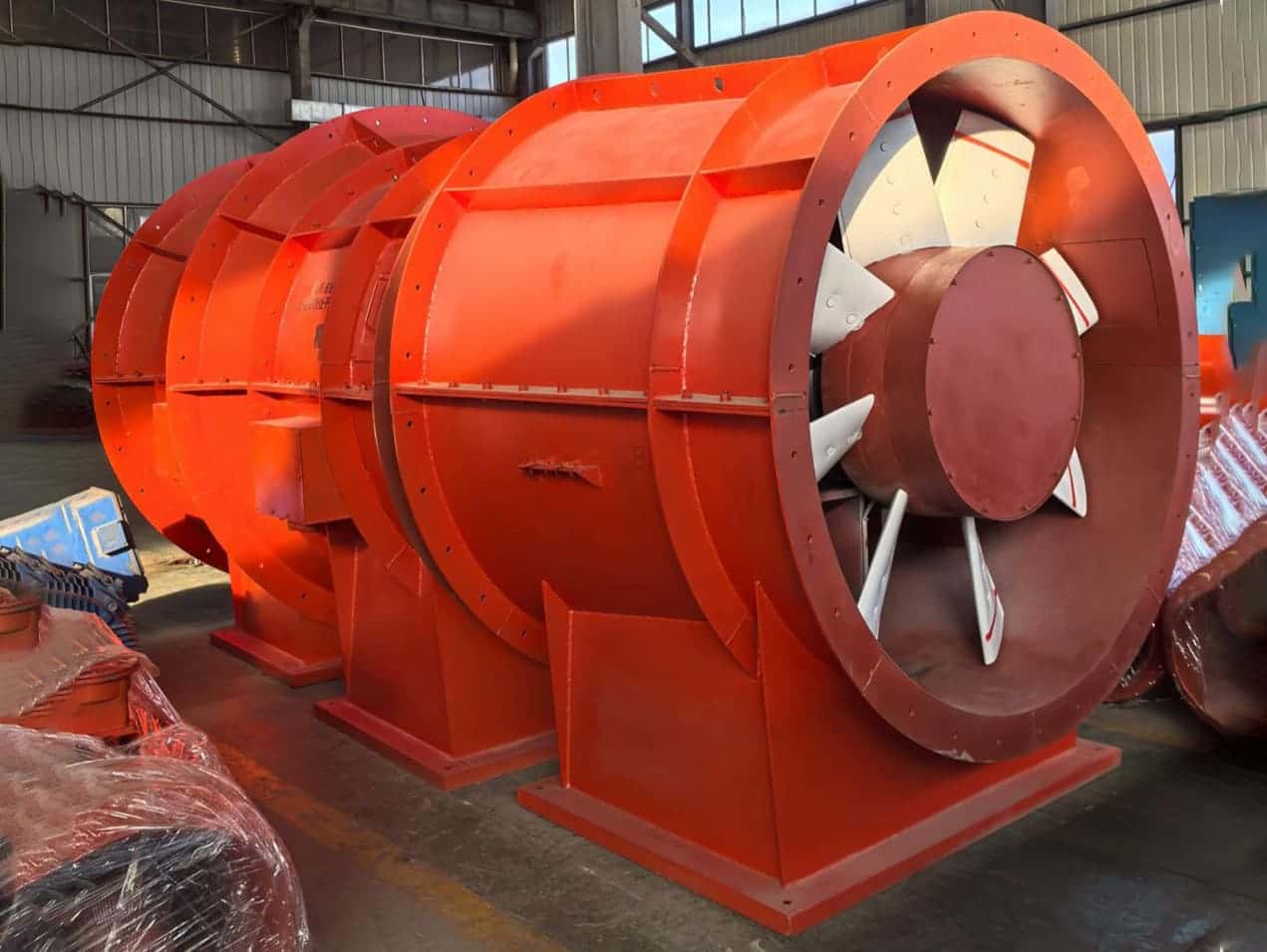
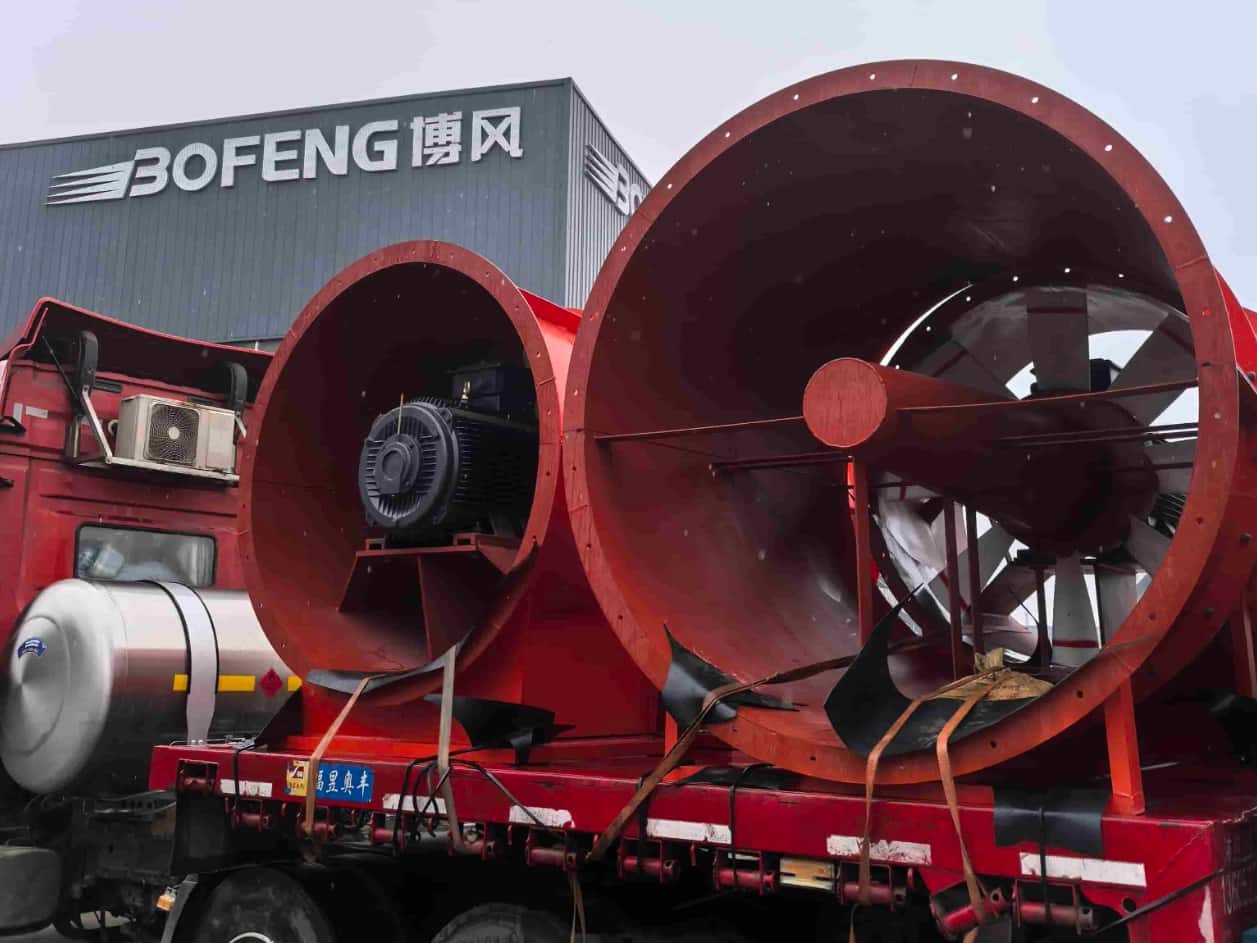
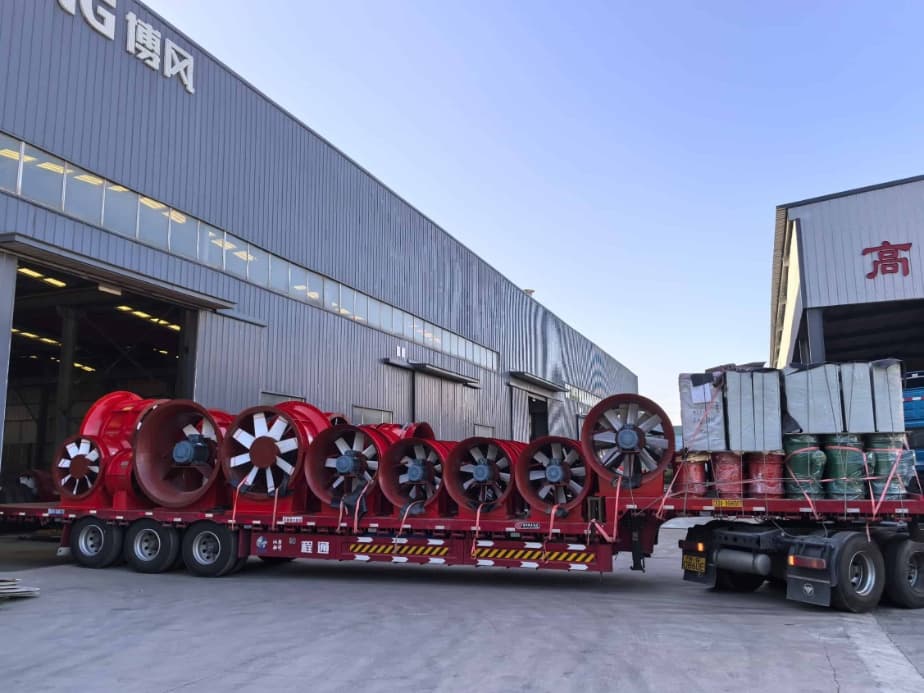
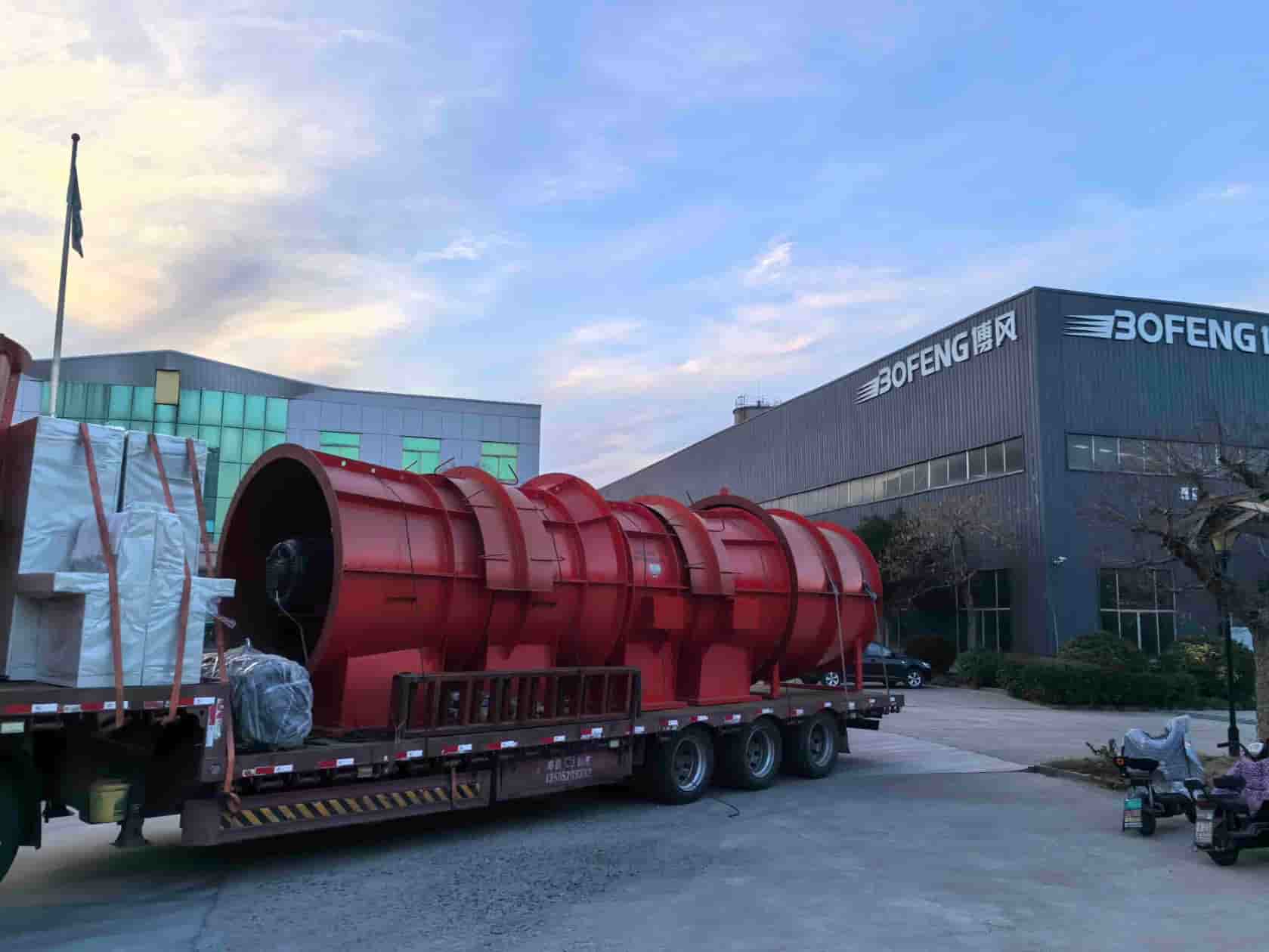
Main pit fans are large industrial ventilation fans used in surface and open pit mines to move high volumes of air across benches, haul roads and working platforms. Their primary role is to dilute airborne dust, remove blasting fumes and exhaust gases, reduce heat build-up in deep pits and help maintain acceptable visibility and working conditions for operators and equipment.
In an open pit, air movement is affected by pit geometry, depth, prevailing winds and temperature inversions. Natural ventilation is often not sufficient, especially in deep or narrow pits and around high-emission zones such as loading faces, crusher stations and fuel or service areas. Main pit fans are installed on the pit rim, near ramps or in local ducted systems to create directed airflow into low-ventilated zones and to sweep contaminants out of the working areas.
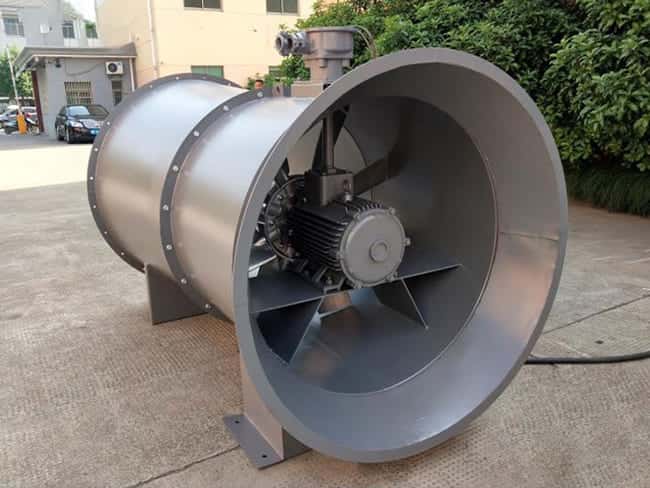
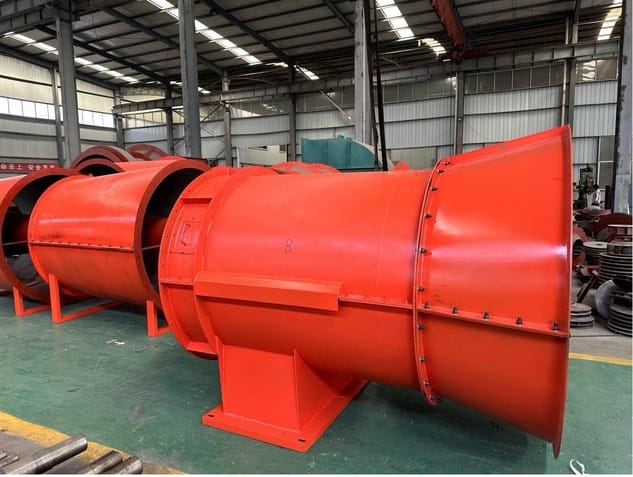
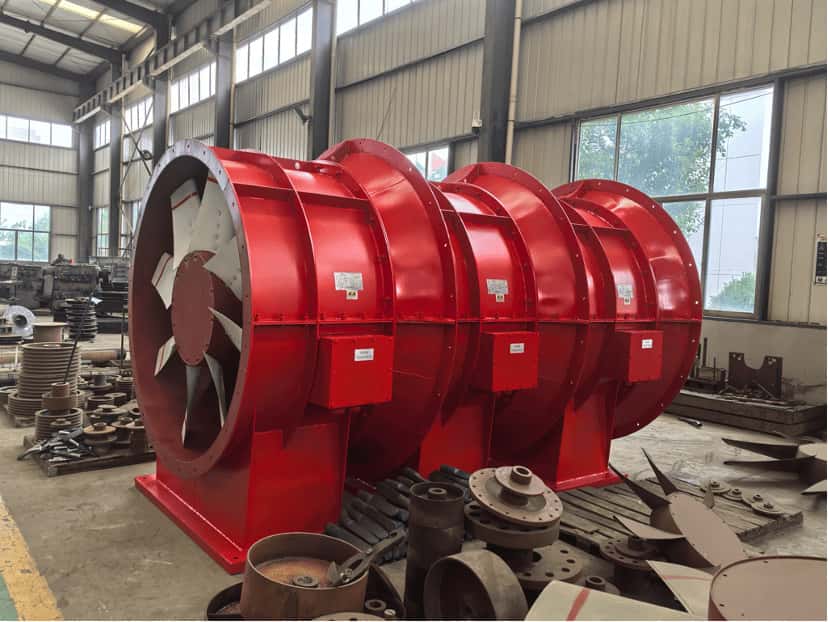
Selection of main pit fans begins with defining the required airflow and total pressure based on pit layout, emission sources and climatic conditions. Axial flow fans are commonly used where large airflow at moderate pressure is needed along haul roads or across benches. Centrifugal fans may be applied when higher pressure is required, for example for ducted extraction close to crushers or transfer points. Materials and coatings must resist abrasion from fine dust, corrosion from moisture and chemicals, and mechanical stress caused by continuous operation.
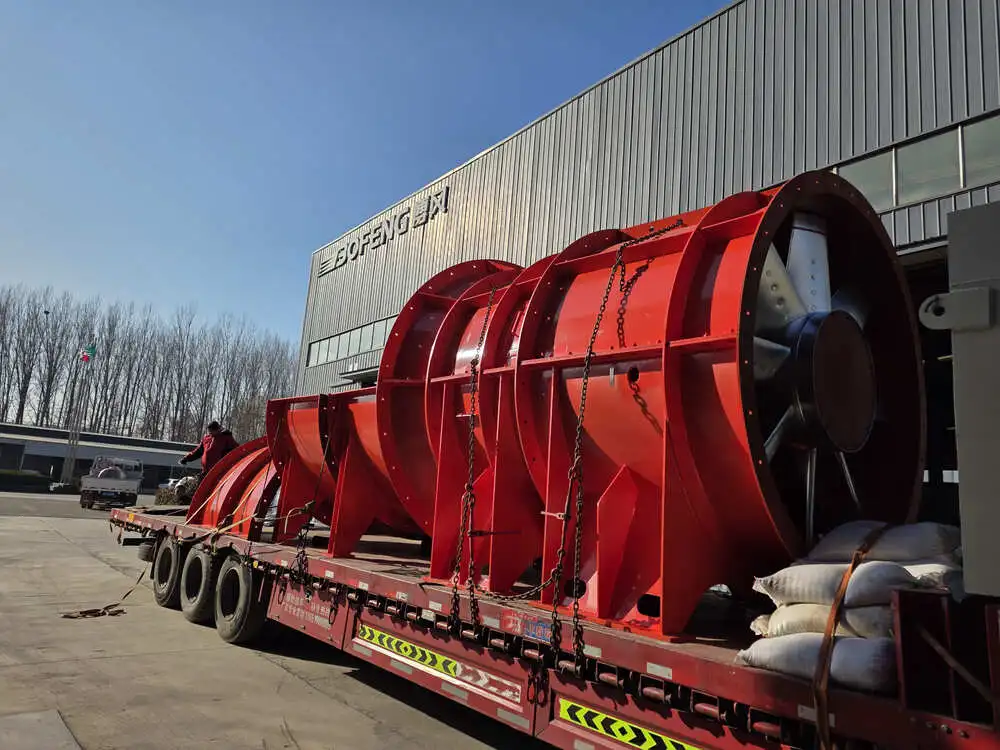
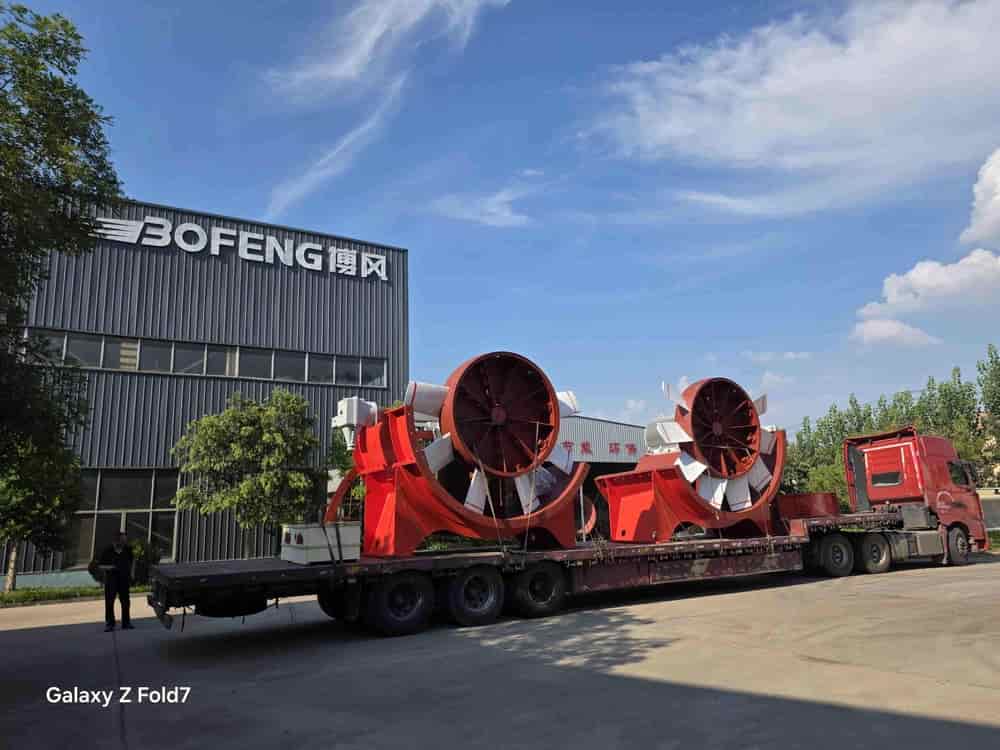
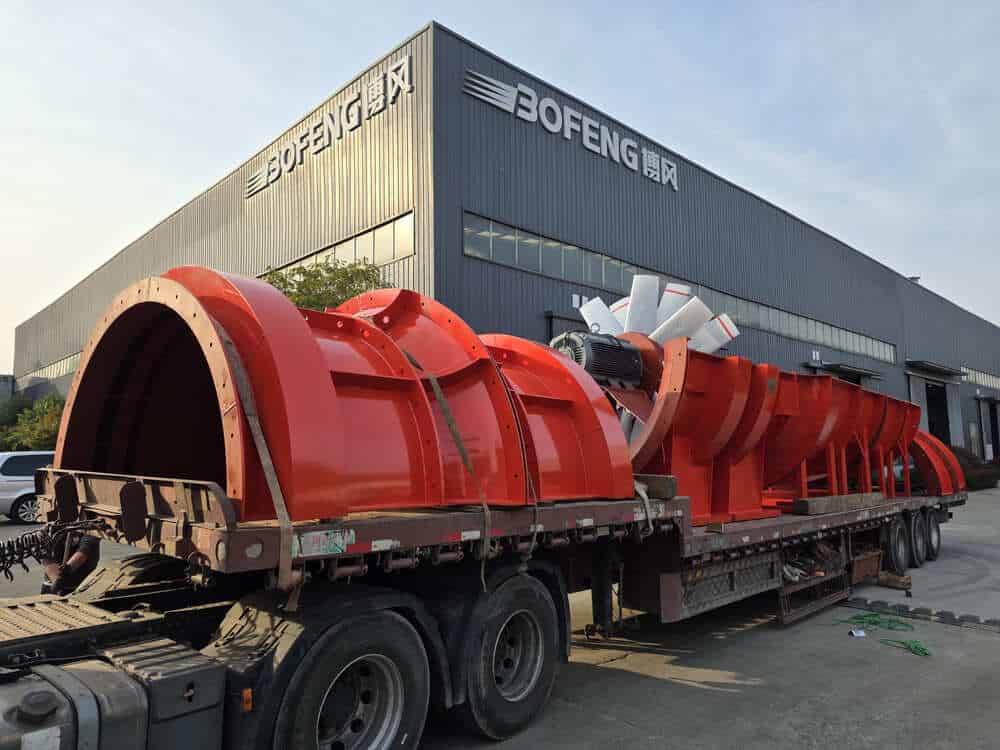
For reliable operation, main pit fans are usually equipped with high-efficiency motors and variable frequency drives (VFDs). VFD control allows the mine to adjust fan speed to match production levels, weather changes and air quality measurements, reducing energy consumption while maintaining air standards. Additional features often include protection grills or inlet screens, robust bases or skids for relocation, and acoustic measures to limit noise impact on workers and nearby communities.
Condition monitoring is also important in surface mining environments. Typical measures include vibration and bearing temperature sensors, motor temperature protection, and periodic balancing and inspection of impellers. Regular cleaning of inlets and surrounding areas, fastener checks and lubrication schedules help maintain performance and extend service life under dusty conditions.
Typical uses: clearing blasting fumes, improving air quality on haul roads, assisting crusher and screening plant ventilation, and supporting cooling in deep or confined pit areas.
Main benefits: more stable air quality, reduced downtime after blasting, better visibility for operators and improved occupational health conditions across the mine.
Well-selected and properly maintained main pit fans become a core part of the mine ventilation strategy, supporting safe, continuous and efficient surface mining operations.
Contact Us
Contact Us