logo

Powering Ventilation, Driving Progress — Mining ventilation fans, mine fans & mining blowers for underground mines, tunnel ventilation, and industrial sites.

Request a Quote Request a Quote
Contact Info

+86 15863109911

No. 001, Industrial Park, Nanjiao Town, Zhoucun District, Zibo City, Shandong Province, P.R.China

Mon - Fri, 9am - 5pm

Mine Ventilation Fans

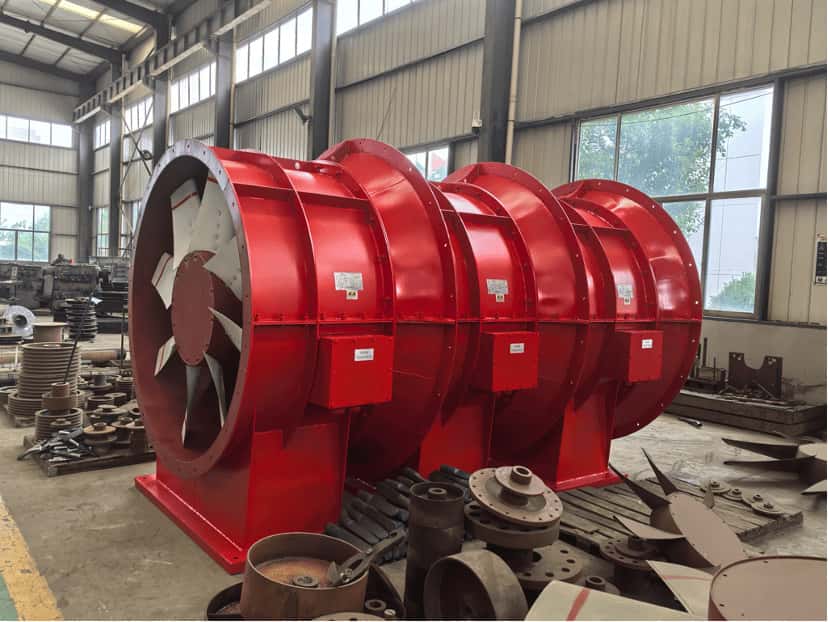
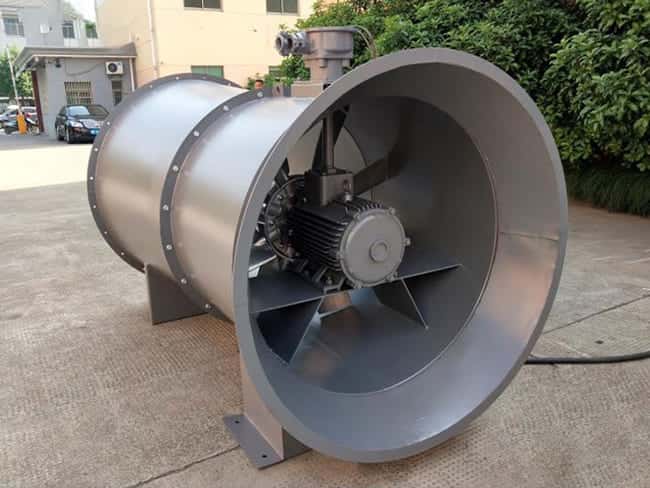
A mine ventilation fan is a large industrial fan used to move air through underground mines and tunnels. Its main function is to supply fresh air, exhaust contaminated air, dilute dust and harmful gases, help control temperature and humidity, and maintain a safe working environment for miners. We supply mine ventilation fans for main ventilation, auxiliary ventilation, intake air, and return or exhaust air duties in mining projects. These fans are used in underground mines, metal mines, non-metal mines, coal mines, tunnels, and other applications where stable airflow, dependable pressure, and reliable operation are required.

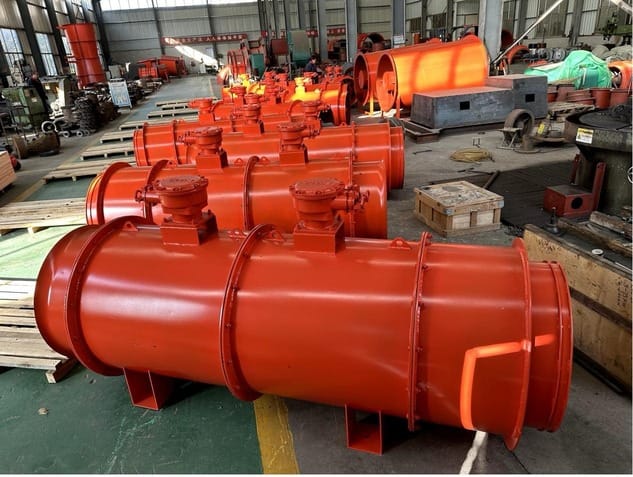
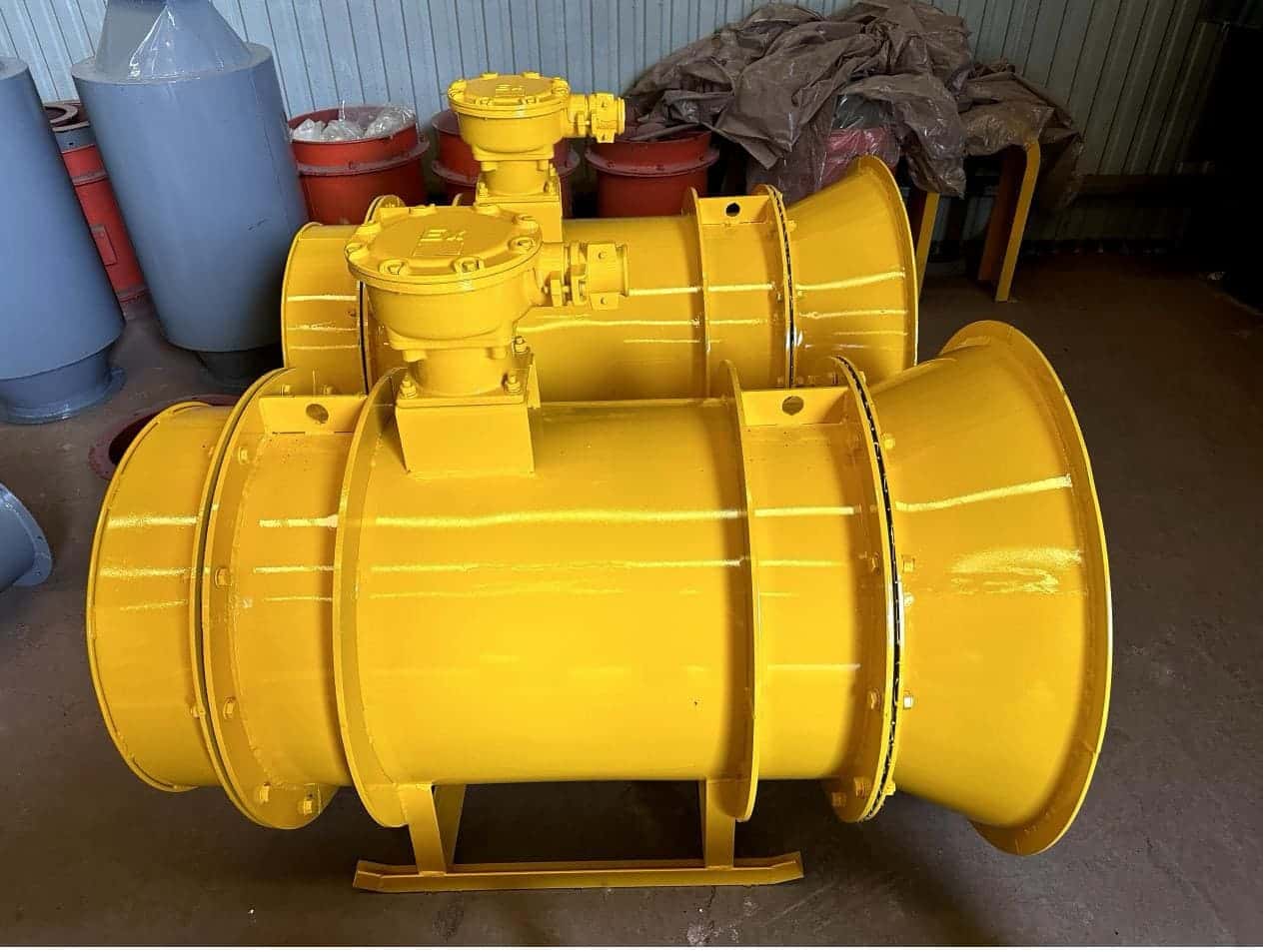
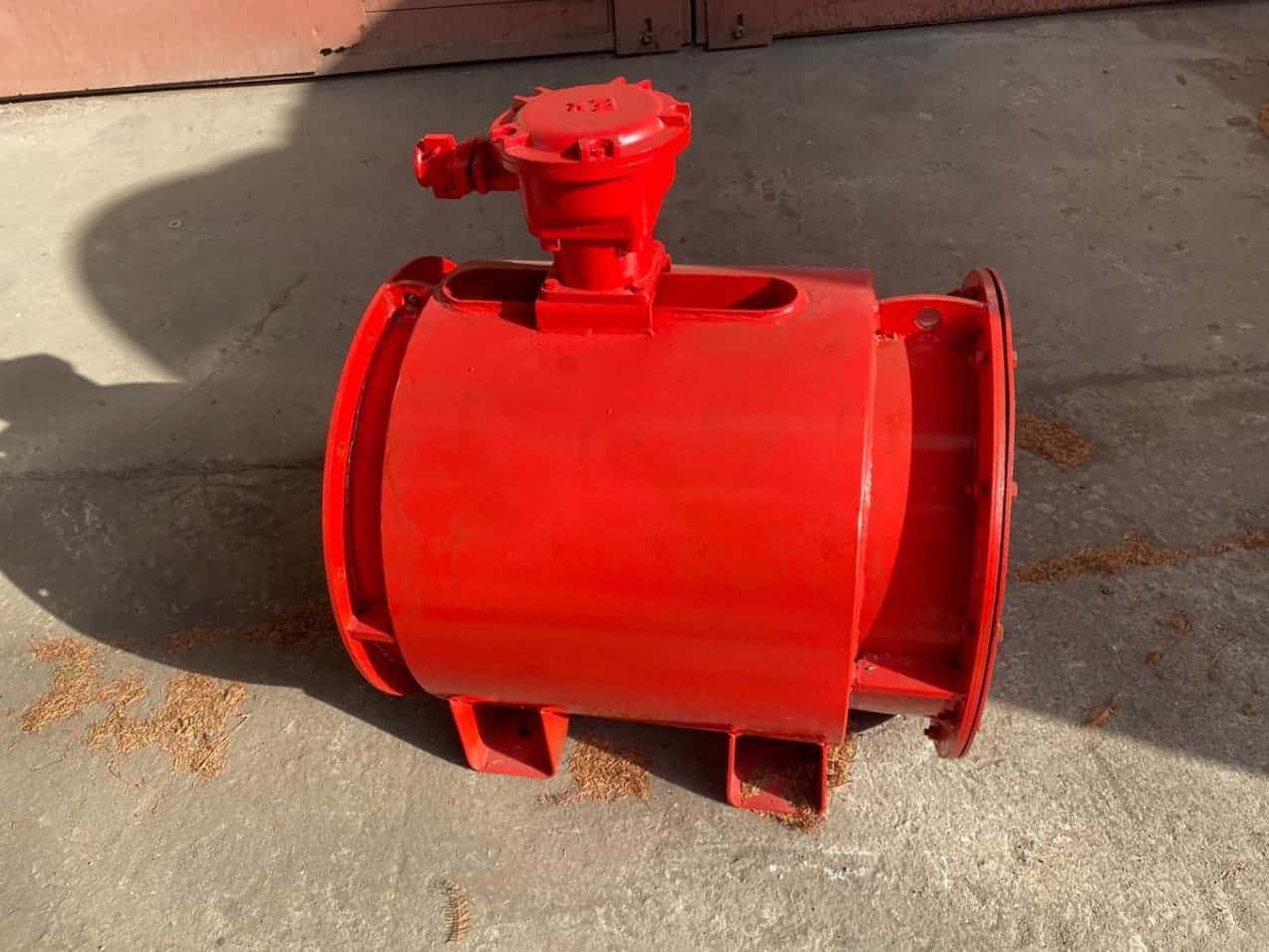
Available in axial-flow and centrifugal configurations, our mine ventilation fans can be matched to different mine conditions, ventilation duties, and installation requirements. Models are available for main airflow routes, local auxiliary ventilation, duct ventilation, exhaust air duties, and applications requiring standard or explosion-proof configurations.

To select a suitable mine ventilation fan, please share your required air volume, total pressure, power supply, installation layout, duct or tunnel conditions, and any explosion-proof or custom requirements. Our team can recommend an appropriate fan series, provide fan curves for review, and prepare a quotation based on your project duty.

Need Mine Ventilation Fan Selection Support?

Send airflow, pressure, voltage and site details for model recommendation and quotation.

Request a Quote

Compare Mine Ventilation Fans by Series, Mine Type and Duty

The fan series below helps buyers and engineers compare mine ventilation fans by fan category, mine type, protection type, ventilation duty, and typical application. This makes it easier to identify a suitable series for main, auxiliary, intake, return-air, or exhaust ventilation duties.

SeriesFan CategoryApplicable Mine TypeProtection TypeVentilation DutyTypical Application
FKCDZMain FanMetal and non-metal minesStandardMain ExhaustMine-wide exhaust ventilation and higher-pressure return air duties.
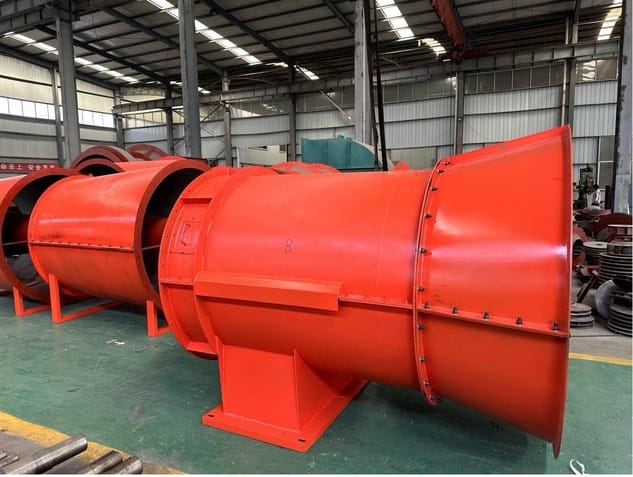
FKZMain FanMetal and non-metal minesStandardMain ForcingGeneral main ventilation and stable mine-wide airflow delivery.
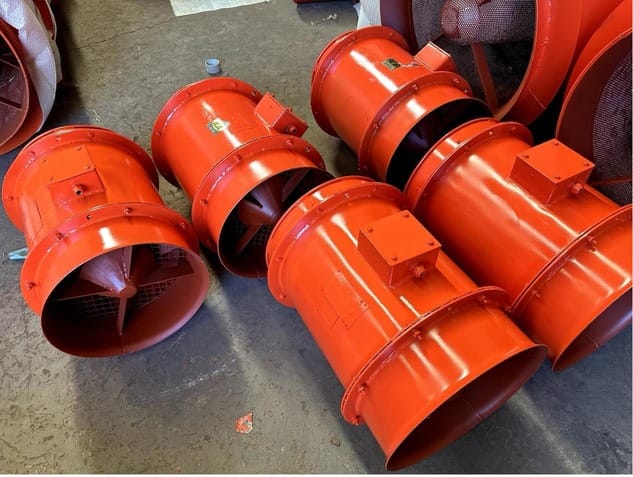
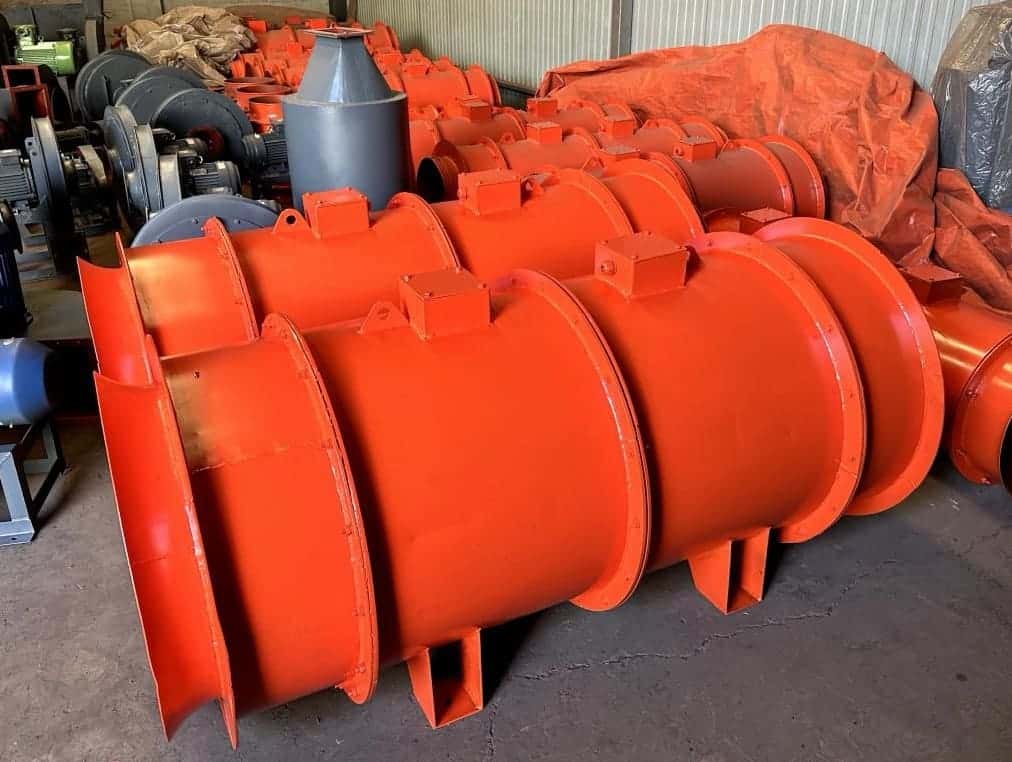
FKAuxiliary FanMetal and non-metal minesStandardAuxiliary ForcingHeadings, development faces, and short-to-medium duct ventilation duties.
FKDAuxiliary FanMetal and non-metal minesStandardAuxiliary ForcingLonger ducts and higher-resistance local ventilation duties.
FBCDZMain FanCoal, metal, and non-metal minesExplosion-ProofMain ExhaustMain exhaust ventilation where explosion-proof protection is required.
FBCZMain FanCoal, metal, and non-metal minesExplosion-ProofMain ExhaustMain return air and exhaust ventilation with explosion-proof requirements.
FBDAuxiliary FanCoal, metal, and non-metal minesExplosion-ProofAuxiliary ForcingLonger duct ventilation and higher-resistance auxiliary airflow duties.
FBAuxiliary FanCoal, metal, and non-metal minesExplosion-ProofAuxiliary ForcingStandard local forcing ventilation in underground mine workings.
FBCAuxiliary FanCoal, metal, and non-metal minesExplosion-ProofAuxiliary ExhaustLocal exhaust ventilation where explosion-proof protection is required.
FBCDAuxiliary FanCoal, metal, and non-metal minesExplosion-ProofAuxiliary ExhaustHigher-resistance auxiliary exhaust ventilation duties.

How to Choose Mine Ventilation Fans for a Project

Mine ventilation fan selection should be based on the actual duty point rather than model name alone. Buyers should confirm the required air volume, total pressure, static pressure, duct or tunnel resistance, installation position, power supply, altitude, operating environment, and whether explosion-proof protection is required.

For a faster recommendation, please provide the airflow and pressure requirements together with the mine type, ventilation duty, tunnel or duct layout, and voltage/frequency. Based on these details, we can help compare suitable fan series and provide fan curve data for review.

Engineering Guide

Mine Ventilation Fan Guide

This guide explains how mine ventilation systems work, how main, booster and auxiliary fans differ, how axial-flow and centrifugal fans are compared, which duty, performance and site parameters matter, and what information is required for engineering fan selection.

How Does a Mine Ventilation System Work?

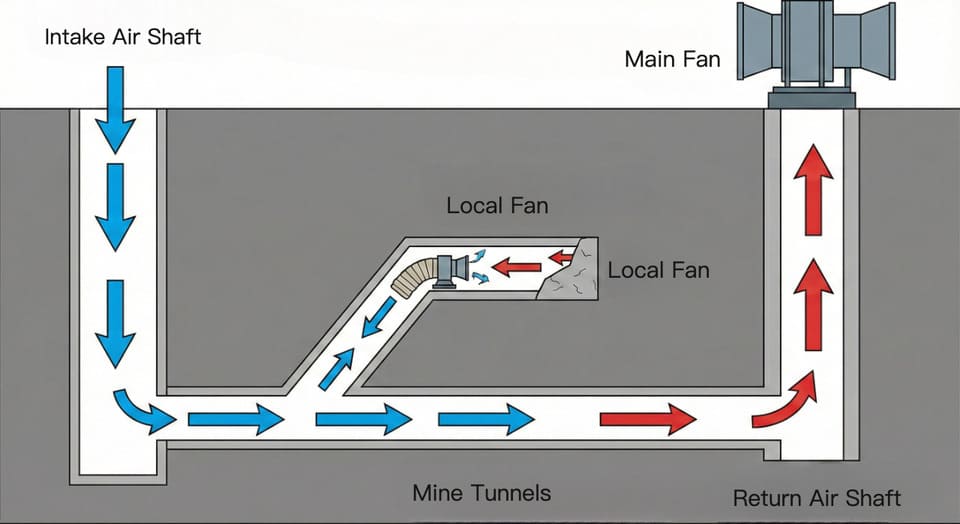
A mine ventilation fan operates as part of a complete airflow network. It creates the pressure difference needed to move intake air through shafts, declines, roadways and working districts, and to carry return air through designated return routes and exhaust openings.[1]

A typical underground ventilation system may include:

  • Intake shafts, portals and intake airways
  • Return airways, raises and exhaust shafts
  • Stoppings, doors, regulators and leakage-control structures
  • Rigid or flexible ducting for local ventilation
  • Main, booster, auxiliary and local ventilation fans
  • Airflow, pressure, gas, temperature and equipment-monitoring devices

Depending on the ventilation design, a main fan may operate in an exhausting arrangement that draws return air out of the mine, or in a forcing arrangement that supplies air into the mine. Auxiliary fans should be installed at locations defined by the ventilation plan, supplied with adequate intake airflow, connected to suitable ducting and arranged to control recirculation.[2][5][7]

Simplified underground mine ventilation diagram showing intake shaft, main fan, local fans and airflow paths between intake and return airways
Figure: Simplified underground mine ventilation system showing the intake route, working areas, local ventilation and the return-air route to the surface main fan.

What the Fan System Does

  • Generates the pressure needed to move air through the ventilation network
  • Delivers fresh intake air to active working areas
  • Carries contaminated return air toward the exhaust route
  • Helps dilute and remove mine gases, blasting fumes and diesel emissions, and supports airborne-dust control when combined with suitable source-control measures
  • Helps manage underground heat, humidity and air movement
  • Supports planned airflow distribution and reduces stagnant or poorly ventilated zones when the network is properly designed and maintained

Types of Mine Ventilation Fans by Duty and Location

Mine ventilation fans are commonly classified by the duty they perform and their position in the ventilation network. The three main groups are main ventilation fans, booster fans and auxiliary or local ventilation fans. Terminology and legal definitions can vary by jurisdiction and mine type.

01

Main Ventilation Fans

Large axial main mine ventilation fan station installed on the surface near a mine
Figure: Surface main mine ventilation fan station serving the principal mine ventilation circuit.

Main ventilation fans, sometimes called primary fans, serve the principal mine ventilation circuit. They are commonly installed at a shaft, portal or surface fan station and may operate in forcing or exhausting duty. Installation, alarm, pressure-recording, backup and operating requirements must be checked against the rules that apply to the mine and jurisdiction.[2][3][4][5]

Typical considerations include:

  • Mine-wide airflow and pressure duty over the planned operating range
  • Continuous-operation, maintainability and reliability requirements
  • Duty, standby or emergency arrangements where required
  • Inlet cones, screens, diffusers, transition pieces, dampers and silencers
  • Motor, starter, VFD/VSD, controls and monitoring requirements

02

Booster Fans

Where permitted by the applicable jurisdiction and approved ventilation arrangements, a booster fan may be installed underground in series with the main ventilation system to increase pressure in a selected part of the network. Some jurisdictions restrict or prohibit underground booster fans for certain mine types, while others allow them subject to defined plans, controls and monitoring.[2][3][5]

Booster-fan design must consider:

  • Pressure distribution throughout the complete mine network
  • Possible recirculation and unintended airflow changes
  • Interaction with main fans, regulators and doors
  • Gas monitoring, electrical protection and emergency procedures
  • Local legal restrictions and mine-site operating requirements

A booster fan should not be selected as an isolated item. Its operating point, control logic, failure modes and emergency response must be evaluated as part of the complete ventilation network.

03

Auxiliary and Local Fans

Auxiliary axial mining fan with yellow flexible duct ventilating an underground heading
Figure: Auxiliary mine fan connected to flexible ducting for ventilation of a development heading.

Auxiliary and local ventilation fans serve development headings, blind headings, production faces and other areas that are not adequately ventilated by the main airflow. They should be installed at a location defined by the ventilation plan, supplied with sufficient intake airflow, connected to rigid or flexible ducting, and arranged to minimize or prevent recirculation.[2][3][5][7]

Common auxiliary duties include:

  • Forcing fresh air through ducting toward the working face
  • Extracting contaminated air from a local work area
  • Ventilating long or high-resistance duct runs, including engineered multi-fan arrangements where appropriate
  • Removing or diluting blasting fumes and equipment emissions, while supporting dust control together with source-control measures
  • Serving coal-mine or hazardous-area applications requiring suitably approved or certified equipment

Axial vs. Centrifugal Mine Ventilation Fans

Axial-flow and centrifugal fans use different aerodynamic arrangements. Neither type is automatically better for every mine. The correct choice depends on the required operating point, system resistance, stable operating range, efficiency, absorbed power, installation effects, noise limits, maintenance needs and available space.

Comparison of axial-flow and centrifugal mine ventilation fans
Comparison Item Axial-Flow Fans Centrifugal Fans
Airflow direction Air enters and leaves generally parallel to the fan shaft. Air enters axially at the impeller eye, moves radially through the impeller and is discharged through the casing.
Typical arrangement Cylindrical casing with an inline airflow path. Impeller with a volute or scroll casing and a defined inlet and discharge arrangement.
Common mine duty Frequently selected for high-volume main and auxiliary ventilation duties. Often considered for higher-pressure, high-resistance or layout-specific duties.
Installation characteristics Compact along the airflow path, but still requires suitable inlet, outlet and transition conditions. Requires suitable space for the casing and for the specified inlet and discharge orientation.
Capacity control May use blade-angle adjustment, speed control or both, depending on the design. May use speed control, inlet control or dampers, depending on the design.
Reversible operation Available only on fan designs specifically engineered for reversible airflow. Normally selected for a defined airflow direction unless specially engineered.
Final selection basis Required airflow, pressure basis, fan and system curves, operating range, air density, efficiency and site conditions. Required airflow, pressure basis, fan and system curves, operating range, air density, efficiency and site conditions.

Selection note: General fan-family comparisons are only a starting point. A final model should be selected from verified performance data at the required airflow and pressure, not from fan type or motor power alone.

Key Technical Parameters and Fan Performance Curves

Engineering fan selection is based on the required duty point, ventilation-system characteristics, operating range and site conditions. The following parameters should be confirmed before a fan model is selected.

Airflow (Q)

The volume of air delivered by the fan, commonly expressed in m³/s, m³/min, m³/h or CFM. Airflow demand should be defined for the complete mine, district, heading or duct system being served, with the operating condition or reference condition stated where relevant.

Static Pressure (Ps)

Fan static pressure is defined according to the applicable test standard and test configuration. In simplified terms, it is the fan total-pressure rise less the outlet velocity-pressure component. Static pressure values should be compared only when the same definition and reference arrangement are used.

Total Pressure (Pt)

Fan total pressure is the difference between total pressure at the fan outlet and total pressure at the fan inlet, using the reference planes and test configuration defined by the applicable test standard.

Efficiency (η)

Fan static or total efficiency is the corresponding air power divided by fan shaft power. Overall package efficiency may also account for motor, transmission and VFD/VSD losses. A stable duty near the efficient operating range can reduce lifecycle energy use.

Motor Power and Speed

Motor rating, rotational speed, voltage, frequency, duty rating, starting method and any required service margin must match the selected duty and the site's electrical conditions. Maximum absorbed power should be checked across the full proposed operating range, not only at the nominal duty point.

Noise and Vibration

Noise and vibration requirements influence the need for silencers, flexible connections, isolation bases, structural checks, balancing, monitoring and maintenance planning.

Axial mining fan performance map showing static pressure versus airflow, efficiency curves and blade pitch angles
Figure: Illustrative axial-fan performance map showing airflow, pressure, efficiency and blade settings. Final selection must use the performance curve supplied for the proposed model and configuration.

Fan Curve and Operating Point

A fan curve shows the relationship between airflow and pressure at a defined fan speed, blade setting, air density and test configuration. The system resistance curve represents the pressure required by the mine, roadway or duct network at different airflow rates.

The expected operating point occurs where the fan curve intersects the system resistance curve. The proposed model should operate in a stable, controllable and efficient part of its performance range. Fan-performance testing may be referenced to ISO 5801:2017 together with Amendment 1:2025, subject to the project's specified test standard and acceptance criteria.[10]

Published curves apply to stated conditions. Altitude, temperature, humidity and gas composition can change air density and therefore affect pressure, absorbed power and motor loading. Inlet and discharge conditions, bends, screens, silencers and transitions can also create installation effects that should be considered during final selection.

Where speed control is proposed, fan affinity relationships may support preliminary review, but the final control range, motor loading and stable operating limits should be checked against manufacturer data.

Important: Motor power alone is not sufficient for fan selection. Fans with the same motor rating may produce different airflow, pressure, efficiency, stability and noise characteristics.

How to Select a Mine Ventilation Fan

An engineering selection process should connect the ventilation requirement, system resistance, fan performance data, site conditions and safety requirements. The following five-step structure can be used for preliminary model review.

  1. Define the Ventilation Duty

    Confirm what the fan must ventilate and how the airflow will be used.

    • Required airflow for the mine, district, heading or tunnel
    • Main, booster, auxiliary or local ventilation duty
    • Forcing or exhausting duty, and intake-air or return-air installation
    • Normal, emergency or reversible operation where applicable
    • Current production requirement and possible future expansion
  2. Confirm the System Resistance

    Calculate or verify the pressure required to deliver the target airflow.

    • Roadway, shaft, tunnel or duct length and cross-section
    • Duct diameter, material, bends, branches and fittings
    • Doors, stoppings, regulators and other network controls
    • Leakage paths and expected duct leakage
    • Required pressure basis—static or total—with units, reference conditions and design margin
  3. Select the Fan Type and Configuration

    Compare suitable fan families and equipment arrangements.

    • Axial-flow or centrifugal design
    • Single-stage or counter-rotating axial arrangement
    • Single fan, parallel fans or series arrangement where supported by network analysis
    • Duty and standby configuration
    • Required inlet, outlet, transition, silencer and duct connections
  4. Review the Fan Curve and Operating Range

    Check the proposed model against the expected system curve.

    • Required airflow and pressure at the design point, using the stated air density
    • Stable operating range and adequate stall, surge or unstable-operation margin, as applicable
    • Efficiency at normal, minimum, maximum and future duties
    • Motor loading across the full proposed operating and control range
    • Adjustment limits for blade angle, speed control or other control methods
  5. Confirm Site, Safety and Control Requirements

    Match the fan package to the actual installation and compliance requirements.

    • Voltage, frequency, motor type, duty rating and starting method
    • Altitude, ambient temperature, humidity, gas composition, dust and corrosion conditions
    • Indoor, outdoor, surface or underground installation and available space
    • Explosion-protection, approval and certificate-scope requirements where applicable
    • VFD/VSD, local controls, sensors and mine SCADA integration
    • Power continuity, standby or emergency operating requirements
    • Inspection, documentation, testing, maintainability and spare-parts requirements

Need Help Selecting a Mine Ventilation Fan?

Send your airflow, pressure basis, voltage, frequency, ventilation duty, site conditions and installation details. Our team can prepare a preliminary fan selection, performance data and a proposed configuration for technical review.
Request Fan Selection Support

Safety, Explosion Protection and Fan Monitoring

Protection, redundancy, monitoring and operating arrangements depend on the mine type, fan duty, installation location, hazardous-area classification and applicable national and mine-site requirements. The final arrangement should be reviewed by the mine ventilation, electrical and safety teams.
Explosion Protection

Coal mines and other sites with potentially explosive atmospheres may require suitably approved or certified fan packages, motors, electrical equipment, sensors and control components. The required protection concept depends on the mine type, installation location, equipment group or category, gas or dust group, temperature classification, ambient range and applicable jurisdiction. ATEX is the European Union market framework, while IECEx is an international certification system; project acceptance must still be confirmed locally.[8][9]

Certification claims should be checked against the exact supplied equipment, certificate scope, protection concept, equipment marking, permitted ambient range and any conditions of use.

Reliability and Redundancy

Depending on the ventilation plan and applicable requirements, a main fan station may include duty and standby fans, independent or alternative power arrangements, automatic alarms, pressure recording, changeover provisions or emergency operating procedures. These measures are jurisdiction- and risk-specific and should not be assumed to be identical for every mine.[2][3][5][7]

Monitoring and Control

The fan monitoring package may include fan speed, motor current or power, bearing temperature, vibration, static or differential pressure, airflow, blade or damper position and equipment status. The wider mine ventilation system may also monitor gas concentration, temperature, pressure and airflow at selected underground locations. Alarm, trip, data-recording and communication functions should be defined by the ventilation plan, risk assessment and applicable rules.[2][5][7]

Starting, Stopping and Maintenance Procedures

Starting, stopping, reversing or changing the speed of a fan can alter airflow distribution throughout the ventilation network. Planned outages, testing, maintenance and control changes should therefore follow approved mine procedures, risk assessments, equipment-isolation requirements and communication protocols. The ventilation consequences of a fan failure or control change should be assessed before implementation.[2][3][5]

Compliance note: This page provides general engineering information and does not replace a mine ventilation survey or network study, legal review, hazardous-area assessment, approved ventilation plan, equipment certification review or site-specific operating procedure.

Mine and Tunnel Ventilation Fan Applications

Mine ventilation fans are used across underground mining, tunnel construction and related dust or fume control duties. The required fan configuration depends on the ventilation network and site conditions.

Coal Mining

Main and auxiliary ventilation for coal-mine airflow routes, headings and local work areas, including methane and coal-dust risk controls, monitoring and suitably approved or certified equipment where required.[1][2][5][8]

Tunnel and Underground Construction

Duct ventilation for road, rail, hydropower, utility and other underground construction projects, including long-distance forcing or exhausting arrangements and staged ventilation as the heading advances.[7]

Dust and Fume Control

Ventilation and extraction arrangements used with suitable collection or treatment equipment to control airborne dust, process fumes and equipment emissions.

Selected Technical and Regulatory References

The following are selected international and jurisdiction-specific sources for mine ventilation, fan safety, explosion protection and fan-performance testing. They are not a complete or cumulative set of legal requirements. Confirm the current edition and the rules applicable to the mine type, project location, equipment installation and procurement specification before design, selection or compliance assessment.

  1. International Labour Organization — Safety and Health in Underground Coalmines: ILO Code of Practice. International guidance covering ventilation and other major underground coal-mine hazards. It does not replace national legislation or an approved mine ventilation plan. View source

  2. United States — 30 CFR Part 75, Subpart D: Ventilation. Mandatory U.S. requirements for underground coal mines, including main mine fans, auxiliary fans, ventilation controls, fan operation, monitoring and approved ventilation plans. View source

  3. United States — 30 CFR Part 57, Subpart G: Ventilation. Mandatory U.S. requirements for underground metal and non-metal mines, including main, booster and auxiliary fan operation, planned fan shutdowns and control of air recirculation. View source

  4. Great Britain — The Mines Regulations 2014, Regulation 43: Ventilation. Requires a suitable below-ground ventilation system and appropriate monitoring and control arrangements at mines within the regulation's scope. View source

  5. Australia, Queensland — Coal Mining Safety and Health Regulation 2017. Includes requirements concerning auxiliary and booster fans, methane monitoring, prevention of recirculation, fan operating procedures, equipment-condition monitoring and continuous static-pressure recording. View source

  6. Canada, Ontario — Regulation 854: Mines and Mining Plants, and Ventilation Systems in Mines and Mining Plants. Ontario requirements and official guidance for mechanical ventilation systems in underground mines. View regulation View guidance

  7. New Zealand — Ventilation in Underground Mines and Tunnels: Approved Code of Practice. Practical guidance for coal and metalliferous underground mines and tunnels under construction, including ventilation planning, fan arrangements, monitoring and operating controls. View source

  8. South Africa — Guideline for the Compilation of a Mandatory Code of Practice for the Prevention of Flammable Gas and Coal Dust Explosions in Collieries. Official mine-safety guidance covering good ventilation practices and controls for flammable-gas and coal-dust ignition and explosion risks in collieries. View source

  9. Explosion Protection — European Commission ATEX Directive 2014/34/EU and the IECEx Certified Equipment Scheme. ATEX defines the European Union framework for equipment placed on the EU market for potentially explosive atmospheres. IECEx provides an international third-party certification system for Ex equipment; acceptance remains subject to the destination country's rules and project specification. View ATEX source View IECEx source

  10. ISO 5801:2017 — Fans: Performance Testing Using Standardized Airways, with ISO 5801:2017/Amd 1:2025. International reference for standardized fan-performance test procedures, measurement uncertainty and permitted conversion of test results within the standard's stated limits. View ISO 5801:2017 View Amendment 1:2025

Send Your Mine Ventilation Requirements

Share the required airflow, static or total pressure basis, voltage, frequency, mine type, ventilation duty, installation layout, site conditions and protection requirements for preliminary fan selection, technical review and quotation.

Request a Quote

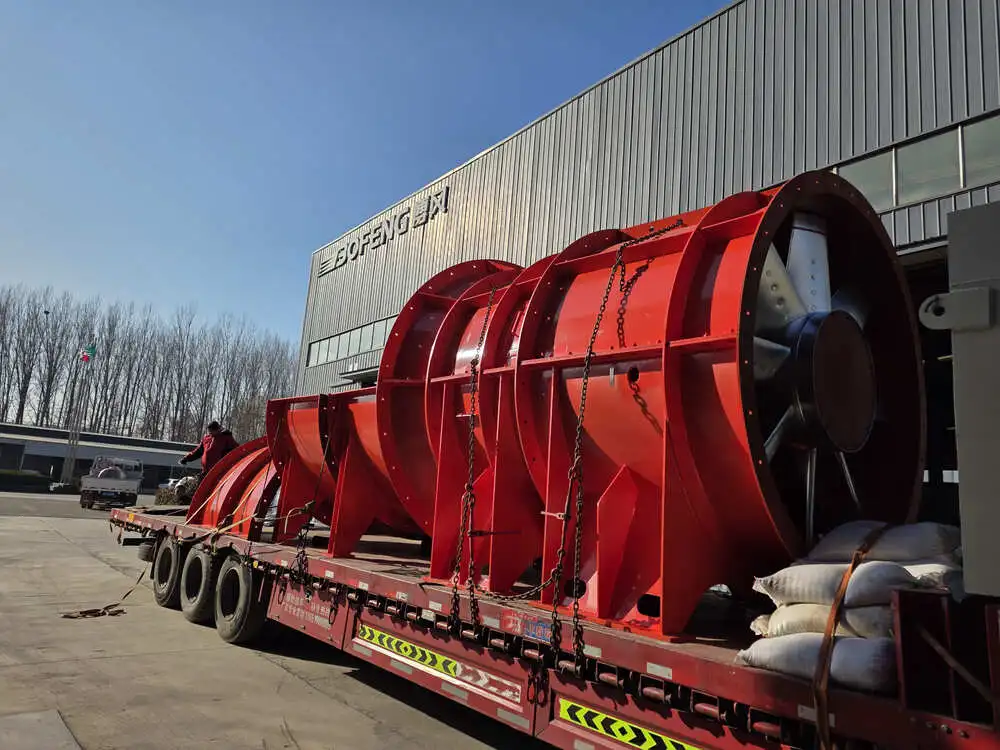
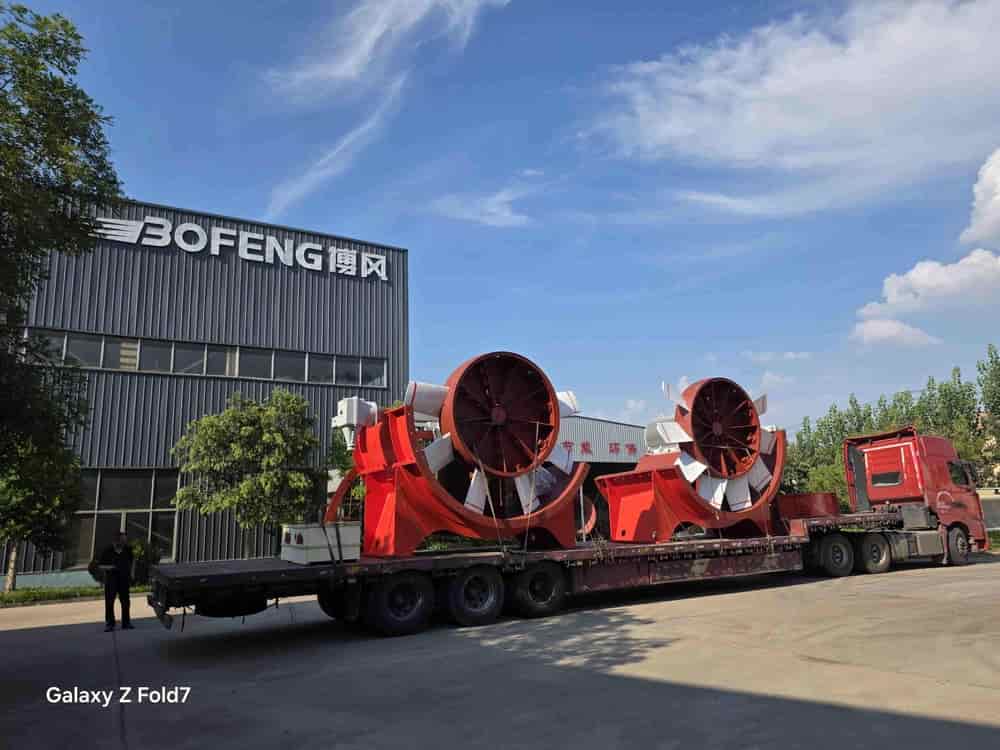
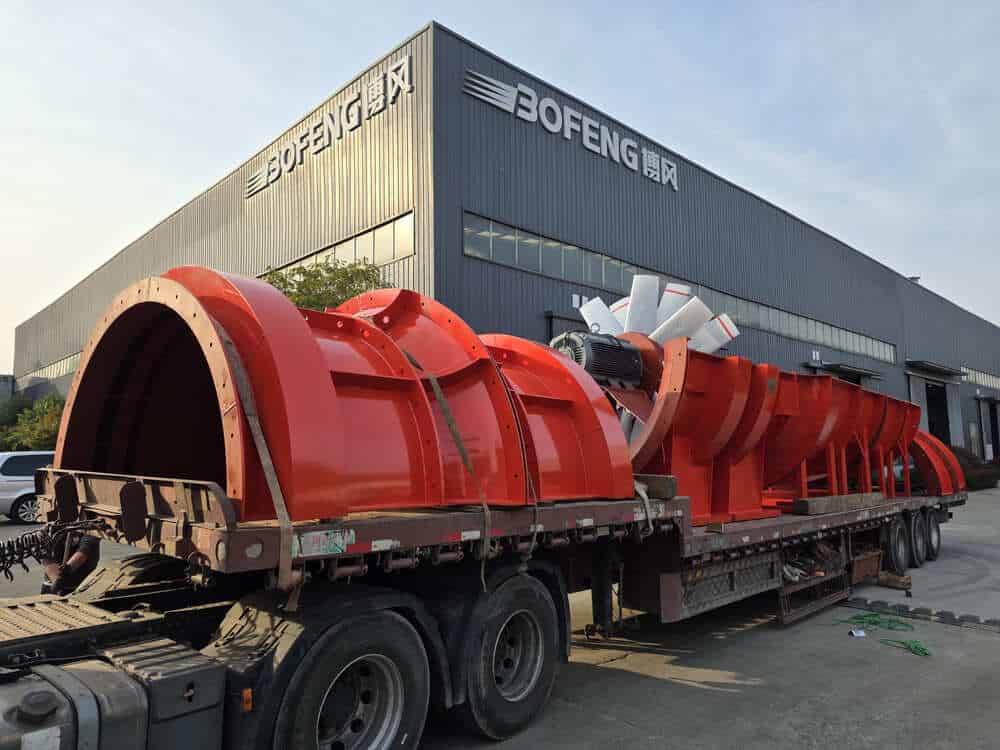
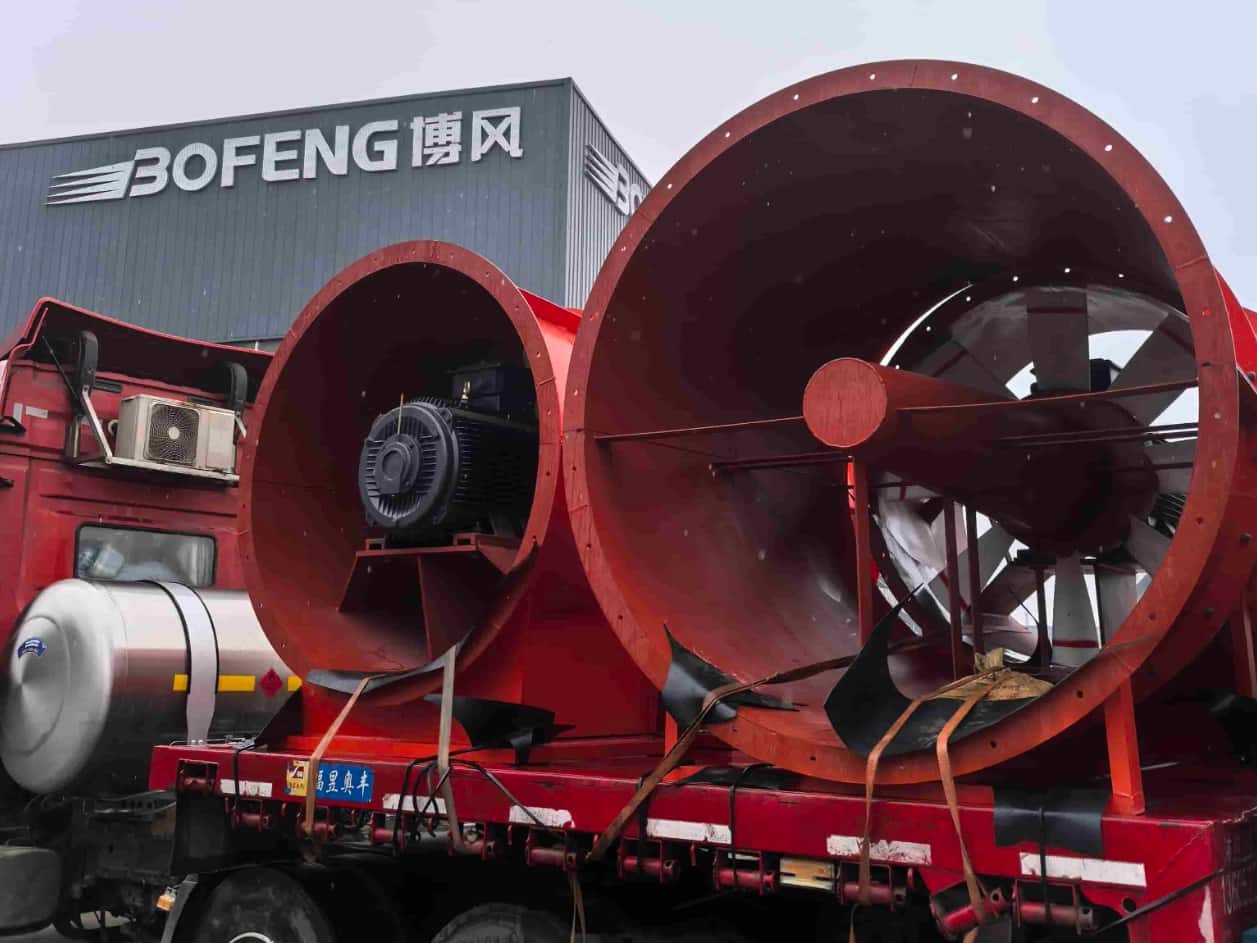
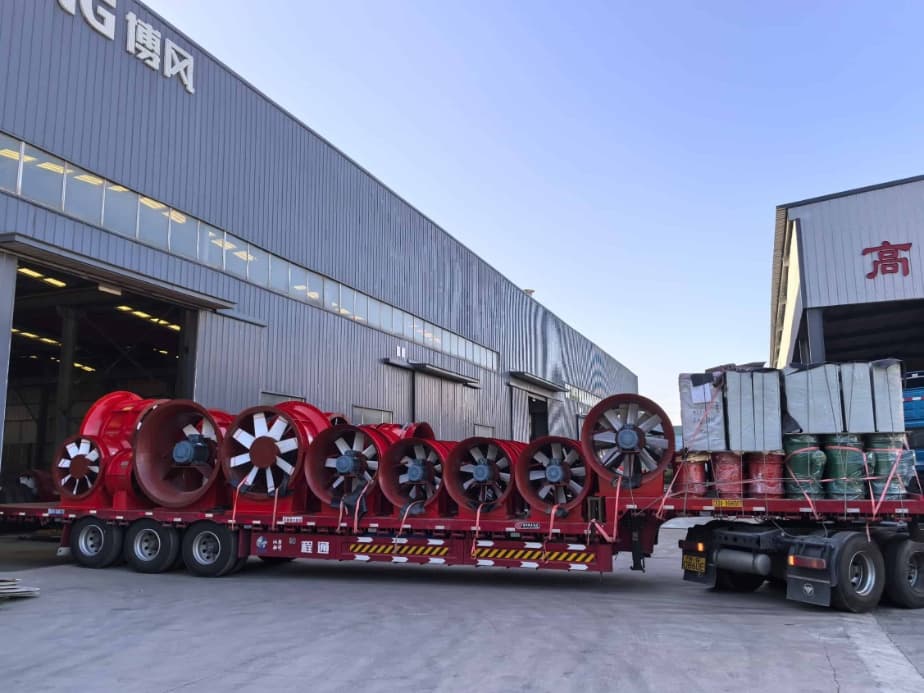
Production Cases

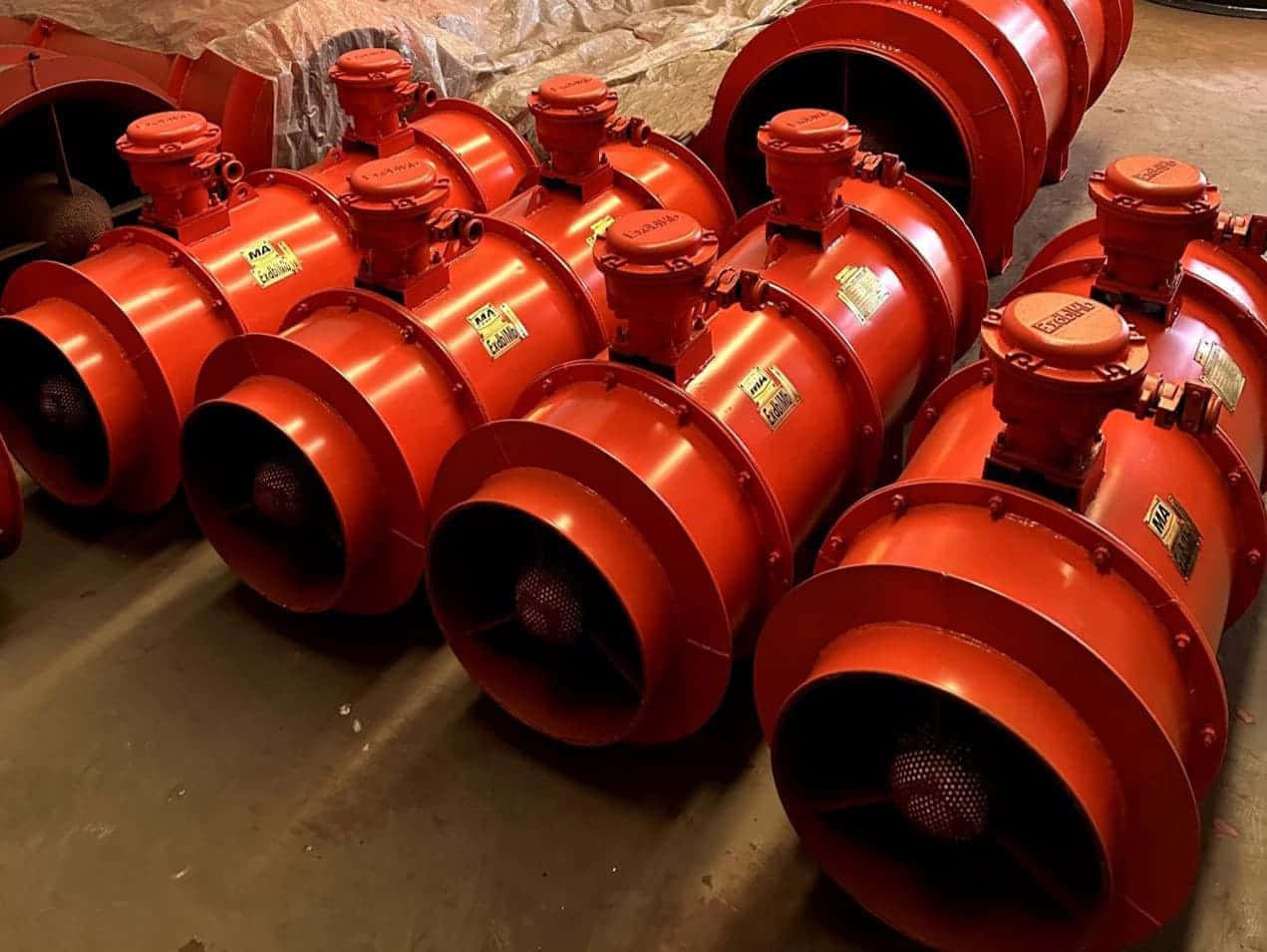
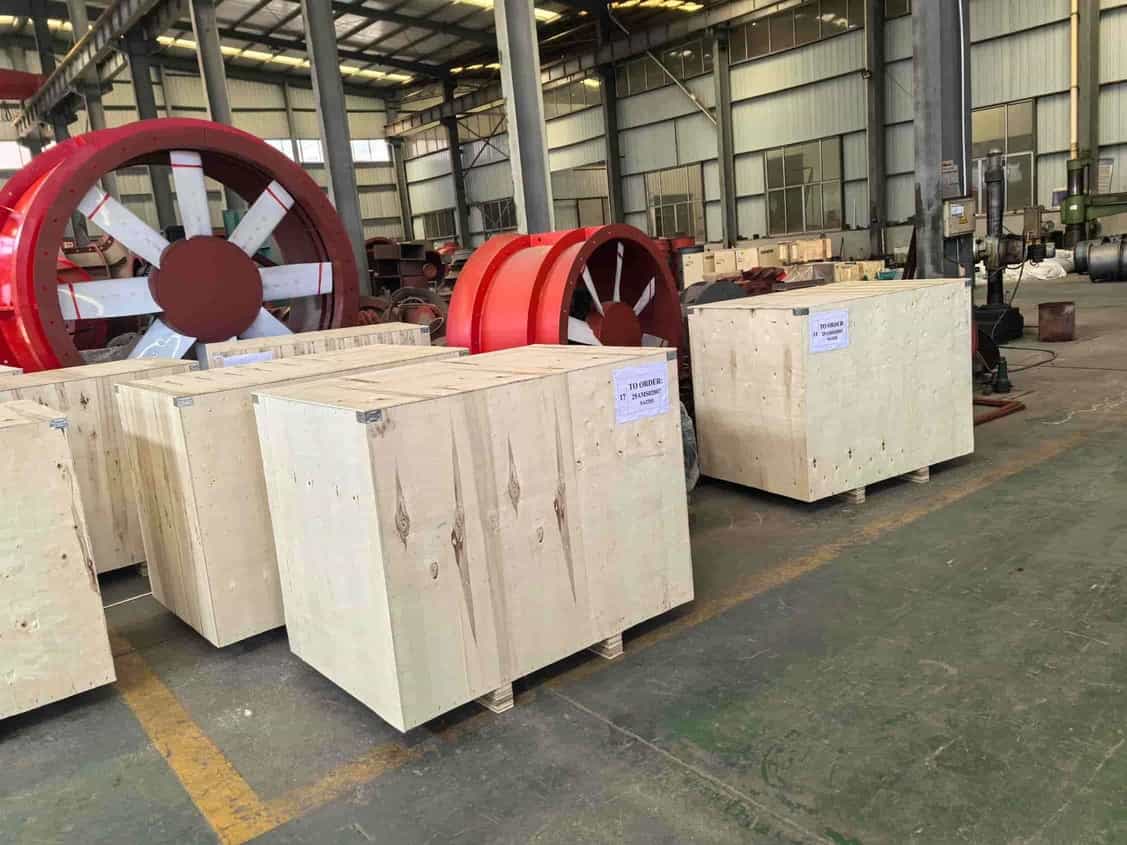
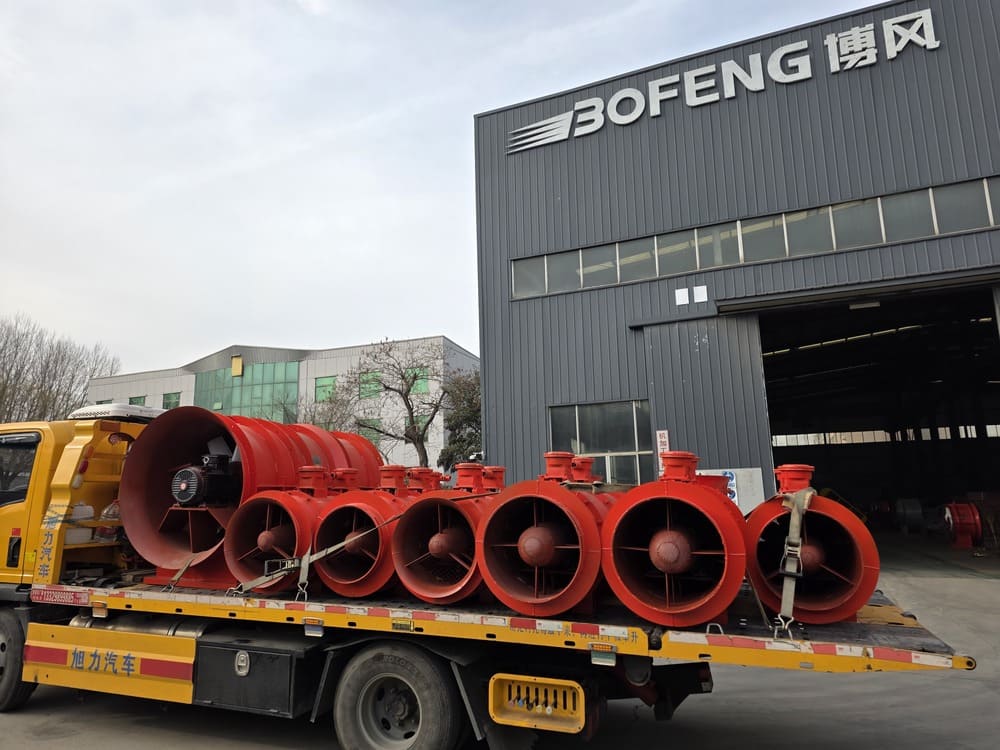
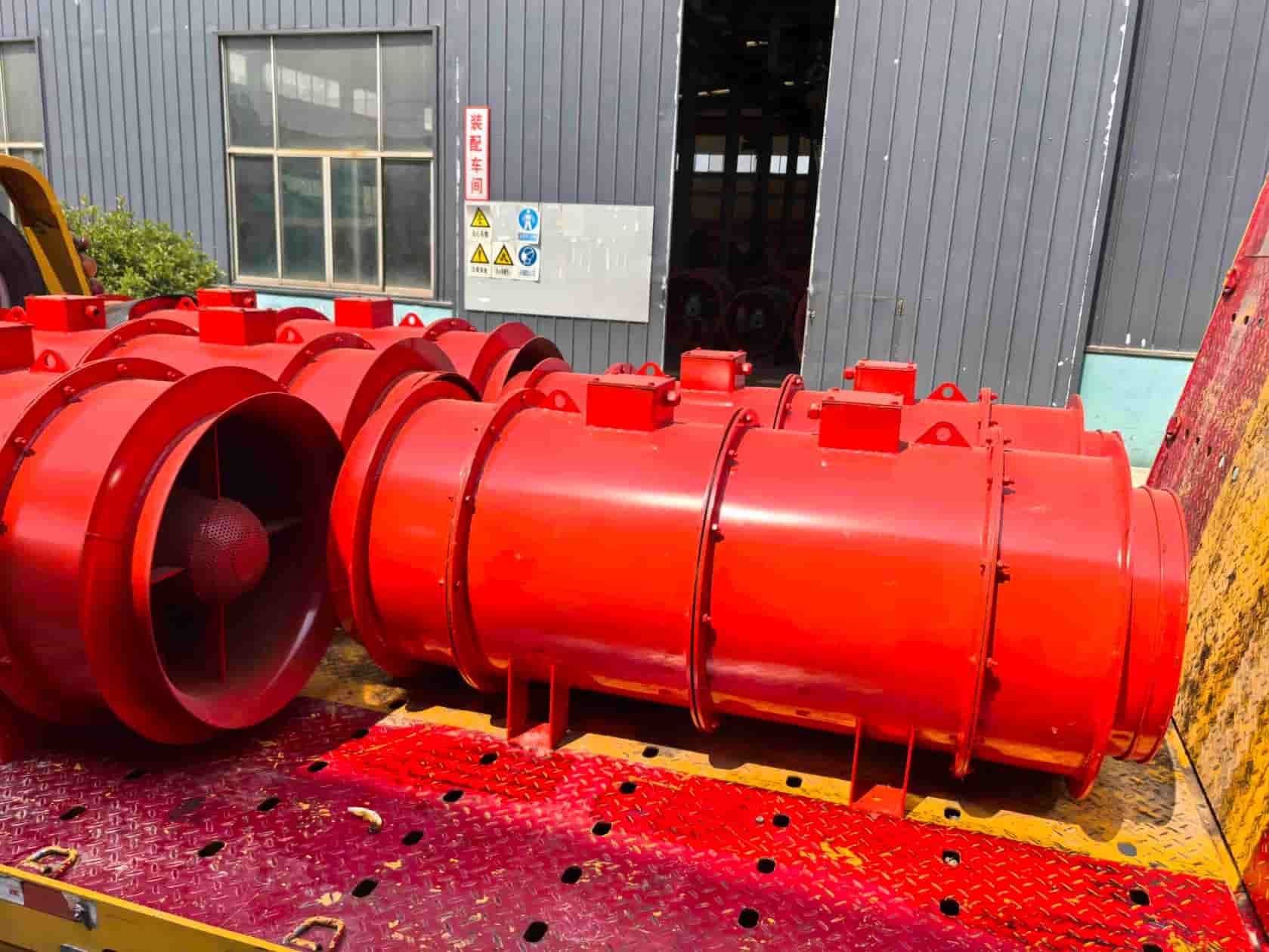
Explore completed mine ventilation fan projects, including finished equipment, pre-shipment inspection, packaging, loading, and dispatch preparation. These real project records demonstrate our manufacturing quality, delivery readiness, and reliable order fulfillment.

Metal Ventilation Fan Project Loading & Dispatch Video
High-Temperature, Corrosion & Special Environment Customization | Metal & Non-Metal Mining | Tunnel & Underground Ventilation
Metal Ventilation Fan Project Loading & Dispatch Video
Laiwu Iron Mine: FBD Auxiliary Fan Case
Coal Mining | High-Temperature, Corrosion & Special Environment Customization | Metal & Non-Metal Mining | Tunnel & Underground Ventilation
Laiwu Iron Mine: FBD Auxiliary Fan Case
FKCDZ Mine Ventilation Fan Shipping Video | Loading & Dispatch
Metal & Non-Metal Mining | Tunnel & Underground Ventilation
FKCDZ Mine Ventilation Fan Shipping Video | Loading & Dispatch
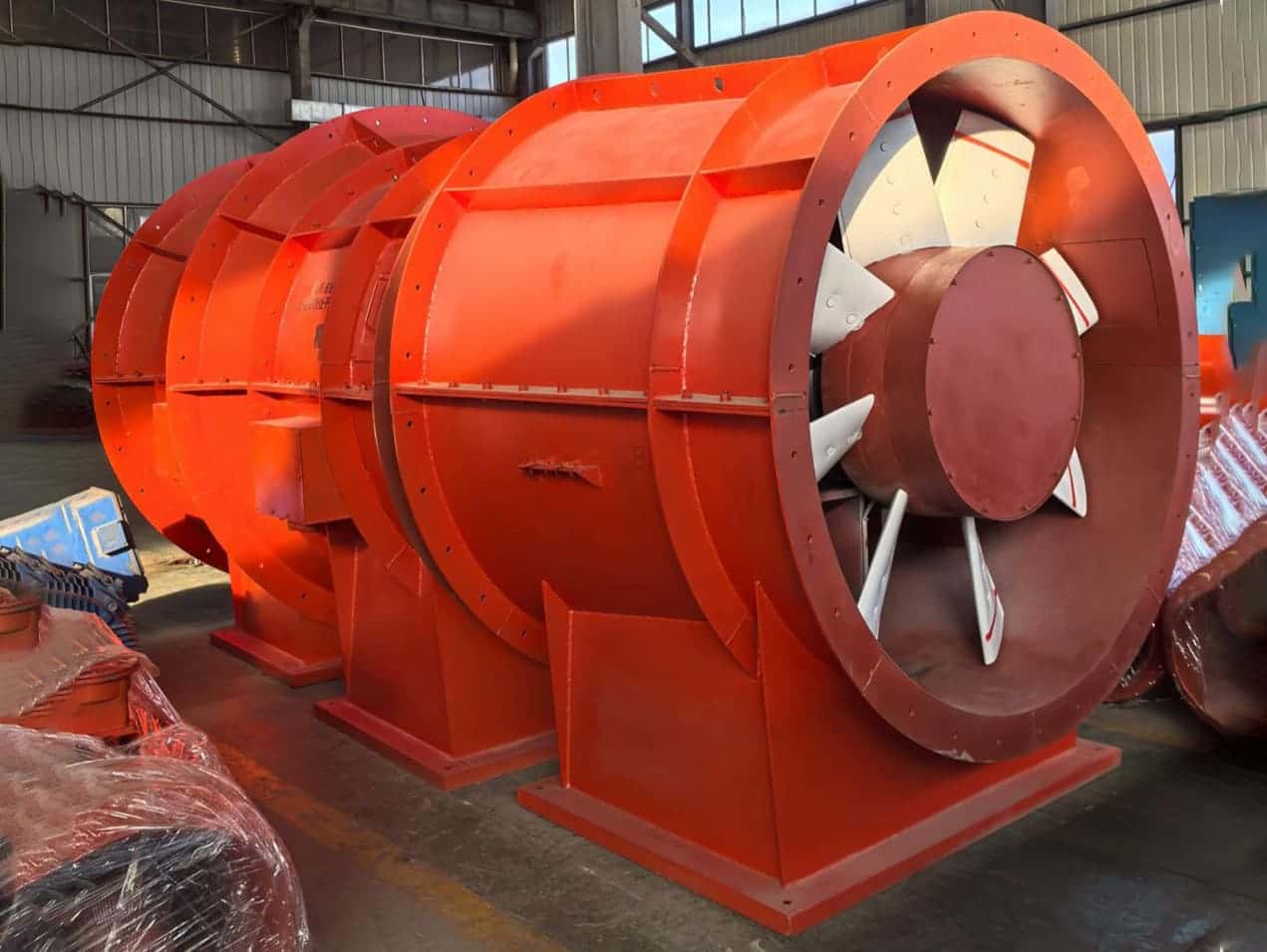
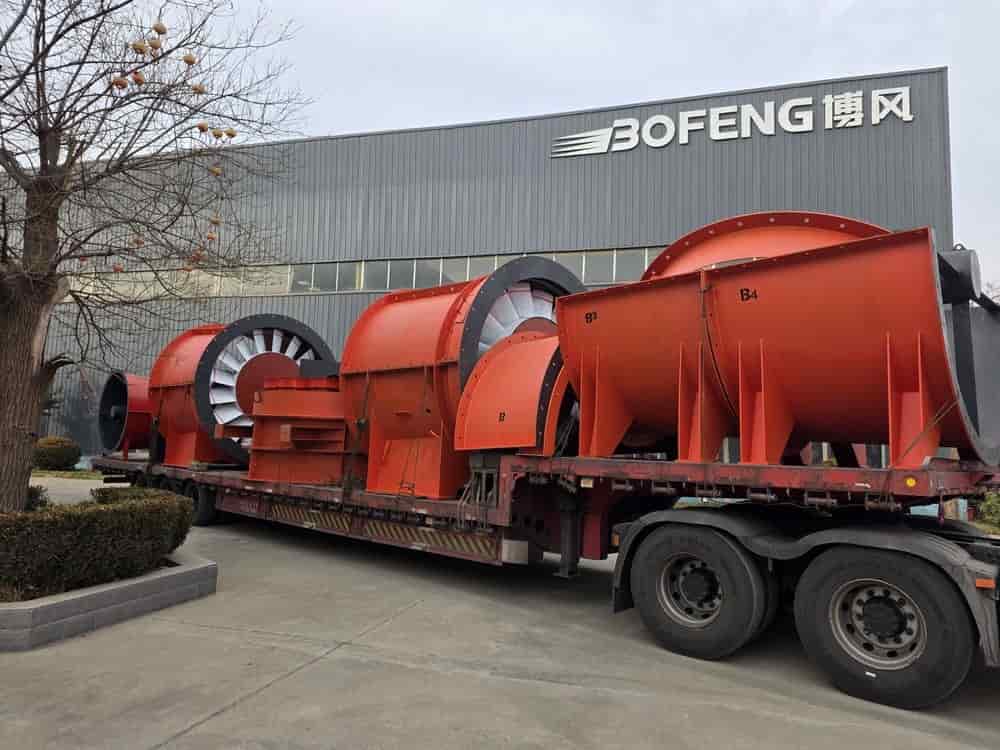
FKCDZ series mining contra-rotating main fans loaded for shipment
High-Temperature, Corrosion & Special Environment Customization | Metal & Non-Metal Mining | Tunnel & Underground Ventilation
FKCDZ series mining contra-rotating main fans loaded for shipment
FKZ series mining fans loaded for shipment
High-Temperature, Corrosion & Special Environment Customization | Metal & Non-Metal Mining | Tunnel & Underground Ventilation
FKZ series mining fans loaded for shipment
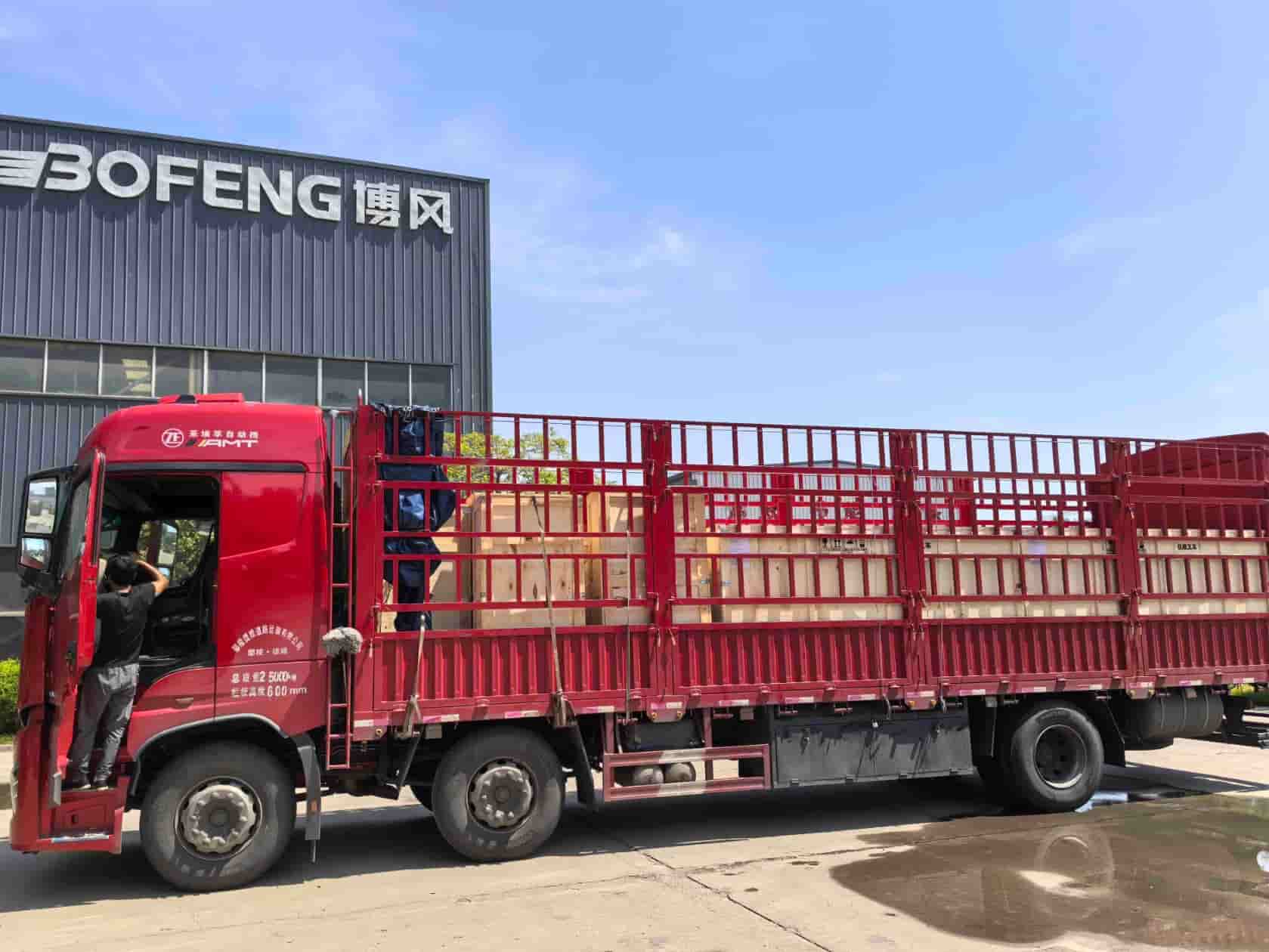
FKZ Series Mine Axial Flow Ventilation Fan Full-Truck Shipment Case
Industrial Factory Ventilation & Exhaust | Metal & Non-Metal Mining | Tunnel & Underground Ventilation
FKZ Series Mine Axial Flow Ventilation Fan Full-Truck Shipment Case
FKZ Series Mine Axial Flow Fan Shipment Case
Industrial Factory Ventilation & Exhaust | Metal & Non-Metal Mining | Tunnel & Underground Ventilation
FKZ Series Mine Axial Flow Fan Shipment Case
FKZ Series Mine Flow Fan Bulk Loading & Delivery Case
Industrial Factory Ventilation & Exhaust | Metal & Non-Metal Mining | Tunnel & Underground Ventilation
FKZ Series Mine Flow Fan Bulk Loading & Delivery Case
FKD Series Auxiliary Counter-Rotating Mine Supply Fan Bulk Delivery Case
Dust Removal & Air Purification | Industrial Factory Ventilation & Exhaust | Metal & Non-Metal Mining | Tunnel & Underground Ventilation
FKD Series Auxiliary Counter-Rotating Mine Supply Fan Bulk Delivery Case

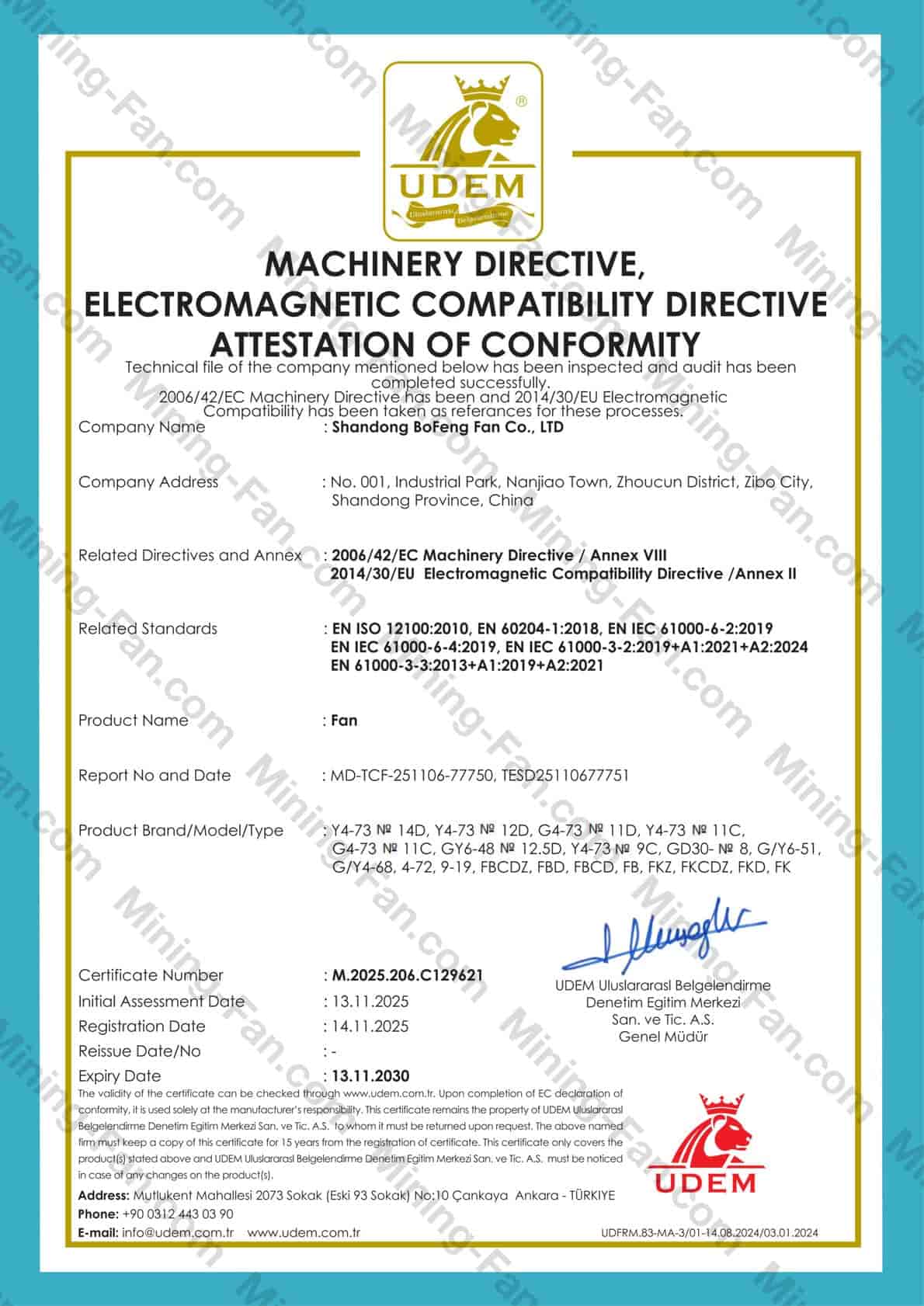
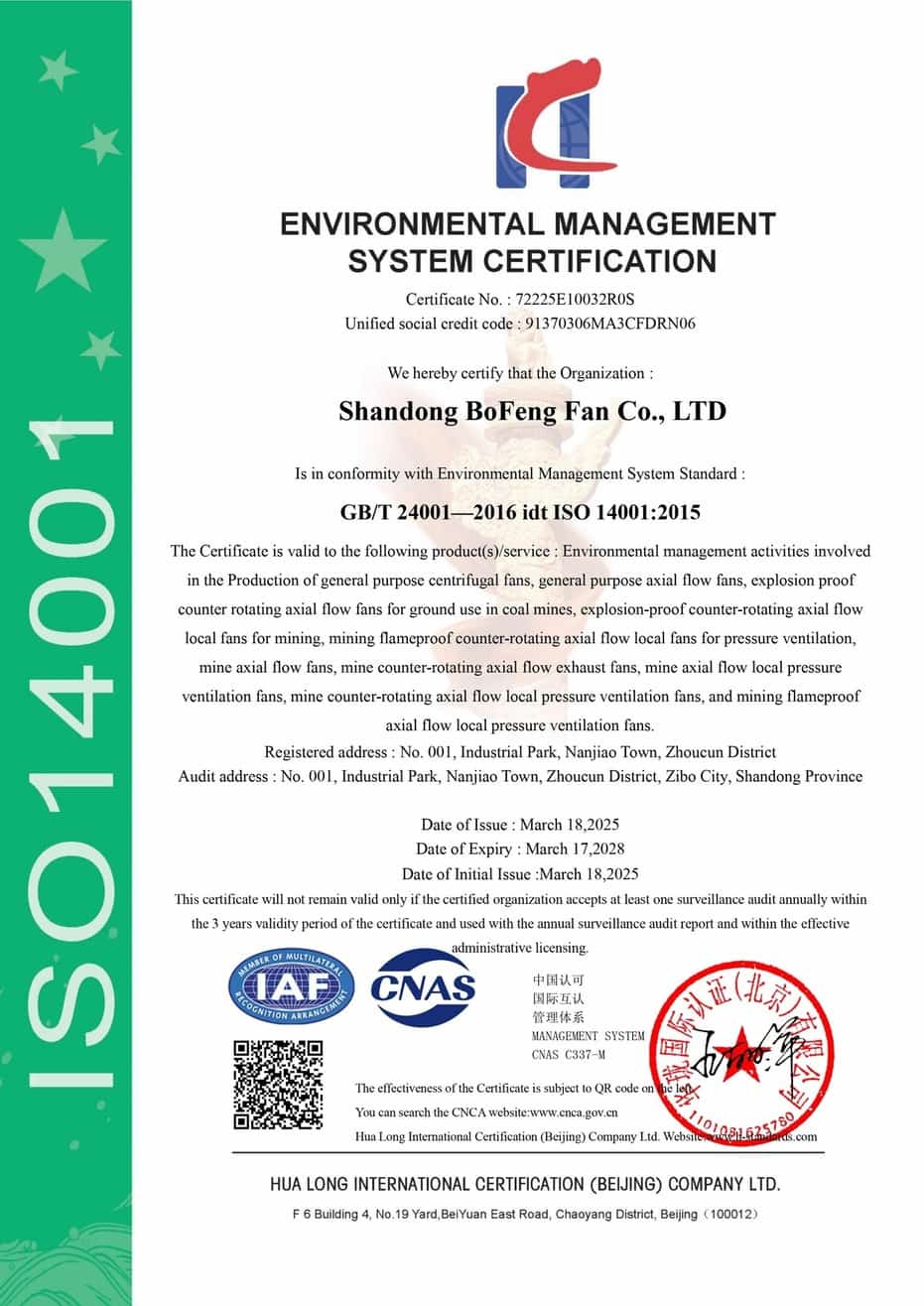
Certifications, Patents & Compliance

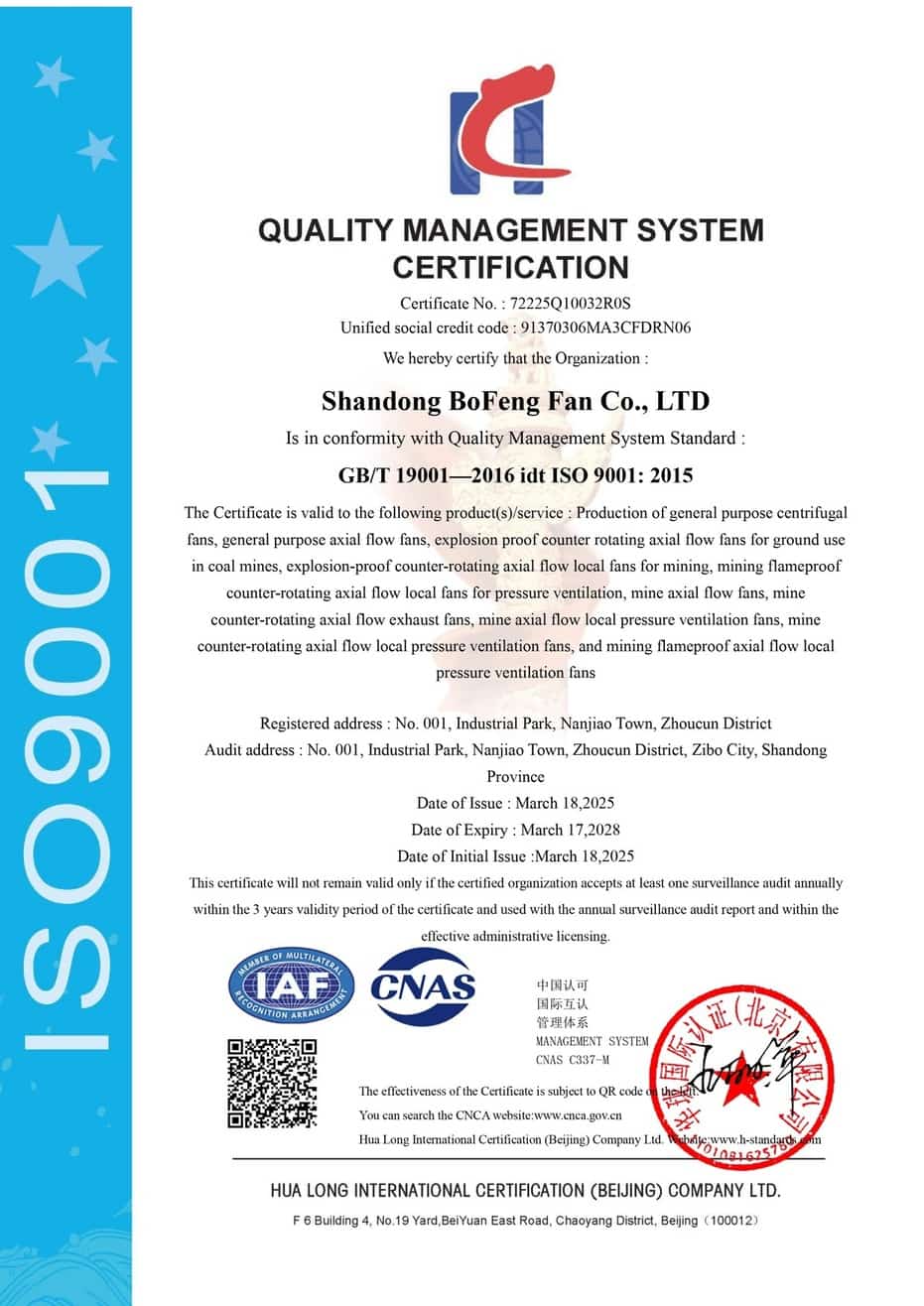
Selected certificates include CE, ISO 9001, ISO 14001 and ISO 45001. Additional documents such as MA/KA mining product certificates, patent certificates, inspection reports and technical files can be provided upon request for project review and supplier evaluation.

Frequently Asked Questions

Mine ventilation fans commonly include main fans, auxiliary fans, axial-flow fans, centrifugal fans, and explosion-proof fans. Main fans are used for mine-wide airflow, while auxiliary fans are used for headings, faces, ducts, and local ventilation duties.
Selection depends on required airflow, total pressure, static pressure, ventilation duty, installation layout, duct or tunnel resistance, power supply, and mine safety requirements. A fan curve should be reviewed before final model selection.
Main fans serve the overall mine ventilation route, such as intake or exhaust airflow for a larger area. Auxiliary fans are used for local ventilation, including headings, development faces, duct ventilation, and confined work areas.
Yes. Explosion-proof mine ventilation fans are available for coal mines and other applications where flameproof protection is required. The final selection should match the mine environment, ventilation duty, and applicable safety requirements.
Please provide required air volume, pressure, voltage and frequency, installation layout, duct diameter or tunnel section, altitude or site conditions, ventilation duty, and explosion-proof requirements if applicable.
Yes. Axial-flow fans are commonly used for high-airflow mine ventilation duties, while centrifugal fans may be selected for higher-pressure or special resistance conditions. The suitable type depends on the actual duty point and installation conditions.
Yes. Fan curve data can be provided for suitable models after the required airflow, pressure, ventilation duty, power supply, and installation conditions are confirmed.
Yes. Mine ventilation fans can be reviewed for special airflow, pressure, voltage, installation layout, altitude, corrosion, high-temperature, or safety requirements depending on the project conditions.
Inquiry WhatsApp Email Telegram WeChat
Top
Email WhatsApp Inquiry Telegram WeChat